
Back to list
The Rise of Repetitive AI Syntax: How the 'It's Not Just This, It's That' Construction Signals Synthetic Content
Industry NewsGenerative AIAI WritingLinguistics

The Rise of Repetitive AI Syntax: How the 'It's Not Just This, It's That' Construction Signals Synthetic Content

A specific linguistic pattern has emerged as a definitive hallmark of AI-generated text. The sentence construction "It's not just this — it's that" has seen such widespread adoption by large language models that it now serves as a primary indicator of synthetic writing. According to reports, this phraseology has transitioned from a simple stylistic preference to a near-guarantee that a piece of content was produced by artificial intelligence rather than a human author. This phenomenon highlights the predictable nature of current AI writing styles and the identifiable markers that distinguish machine-generated prose from human-centric narratives.

TechCrunch AI

Key Takeaways

  • A specific sentence structure—"It's not just this — it's that"—has become a ubiquitous marker of AI-generated writing.
  • The frequency of this construction is now considered a near-guarantee of synthetic origin.
  • This linguistic pattern serves as a primary clue for identifying non-human content in digital media.

In-Depth Analysis

The Anatomy of a Synthetic Clue

The phrase construction "It's not just one thing — it's another thing" has moved beyond a mere stylistic choice to become a defining characteristic of AI prose. In the current landscape of digital content, this specific rhetorical device is used so frequently by generative models that it functions as a digital fingerprint. When readers or editors encounter this binary comparison structure, it often signals that the underlying logic was formulated by an algorithm rather than a human writer.

From Stylistic Pattern to Synthetic Guarantee

Initially, such phrases might have been viewed as simple linguistic quirks. However, the saturation of this specific syntax across various platforms has elevated its status. It is no longer just a subtle hint or a potential clue; the presence of this construction is now described as almost a guarantee of synthetic involvement. This suggests that AI models have a high propensity for using contrastive framing to explain concepts, leading to a predictable and recognizable output style.

Industry Impact

The identification of these "linguistic tells" is significant for the AI industry as it grapples with the challenges of content authenticity. As AI-generated writing becomes more prevalent, the ability for both humans and detection systems to recognize these repetitive patterns becomes crucial. For developers, this highlights a need for greater linguistic diversity in model outputs to avoid the "uncanny valley" of repetitive, formulaic writing. For the media industry, it underscores the ongoing battle to maintain human-led editorial standards in an era of increasing automation.

Frequently Asked Questions

Question: Why is the phrase "It's not just this — it's that" associated with AI?

This specific sentence construction has become so common in AI-generated writing that it is now viewed as a definitive sign of synthetic content rather than human authorship.

Question: Can this phrase be used to reliably identify AI writing?

Yes, according to the analysis, this construction has become so prevalent that its appearance is now considered almost a guarantee that the writing is synthetic.

Related News

Meta Ditches the Camera on Its Newest Smart Glasses to Tackle Wearable Surveillance Backlash
Industry News

Meta Ditches the Camera on Its Newest Smart Glasses to Tackle Wearable Surveillance Backlash

At Meta Connect 2026, Meta unveiled a notable design shift by ditching the camera on its newest smart glasses. Within the conference's tech bubble, attendees freely sported smart glasses across diverse shapes, colors, and sizes without anxiety regarding privacy labels like 'pervert glasses.' However, this enthusiastic environment contrasts sharply with broader societal attitudes outside Connect, where public backlash against wearable surveillance tech continues to challenge devices ranging from smart glasses to smartwatches. By eliminating the integrated camera from its latest eyewear iteration, Meta aims to bypass surveillance scrutiny and cater to privacy-conscious users, balancing modern wearable form factors with widespread public demand for ambient privacy.

Industry News

OpenAI Academy Marks Two Years of Expanding Practical Artificial Intelligence Skills Across Global Communities

OpenAI has officially marked the two-year anniversary of the OpenAI Academy, reaffirming its strategic commitment to bringing artificial intelligence skills to even more communities. Reaching the second anniversary underscores the organization's sustained investment in practical AI literacy, closing technological divides, and fostering community-level empowerment. By delivering actionable training to diverse groups, the Academy focuses on helping individuals, local leaders, and organizations harness generative tools effectively. This operational milestone illustrates how frontier research institutions increasingly pair technological innovation with grassroots capacity building. As AI adoption accelerates worldwide, expanding localized training ensures wider public participation in the emerging intelligence economy. This analysis evaluates the strategic significance of two years of OpenAI Academy operations, the long-term industry impact of community-centered AI education, and what this ongoing expansion signals for the future of workforce preparedness.

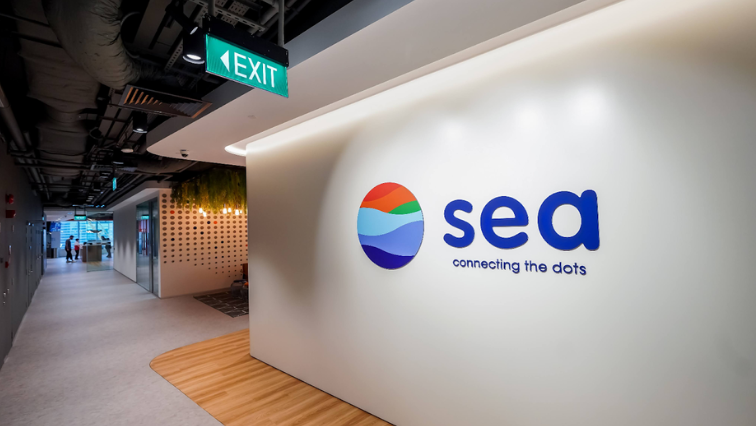
Sea Becomes First in Southeast Asia to Adopt Nvidia Vera Rubin to Boost AI Infrastructure
Industry News

Sea Becomes First in Southeast Asia to Adopt Nvidia Vera Rubin to Boost AI Infrastructure

Sea has announced plans to become the first company in Southeast Asia to adopt Nvidia's Vera Rubin platform. According to the company, this adoption is strategically aimed at boosting its internal artificial intelligence infrastructure while substantially increasing computing capacity across its core digital ecosystem. The deployment is set to power and scale operations across Sea's key subsidiaries, including gaming and digital entertainment arm Garena, e-commerce platform Shopee, and digital financial services division Monee. By securing and integrating Nvidia's advanced Vera Rubin computing architecture, Sea aims to elevate its technological backbone and support the rising compute demands of its diverse consumer services across regional markets.