Google I/O 2026: Entering the Agentic Gemini Era to Redefine User Productivity
At the Google I/O 2026 keynote, Google officially ushered in the "agentic Gemini era," marking a significant evolution in the company's artificial intelligence strategy. The announcement focuses on transitioning Gemini from a reactive assistant into a proactive agent capable of helping users "get more done." This shift emphasizes a future where AI is not just a conversational partner but a functional tool integrated into workflows to enhance efficiency. By centering the event on the concept of agency, Google signals a move toward AI systems that can take initiative and handle complex tasks autonomously. This strategic direction aims to solidify Gemini's role as the primary engine for productivity across the Google ecosystem, promising a more streamlined and effective user experience in the years to come.
Key Takeaways
- Transition to Agency: Google has officially declared the start of the "agentic Gemini era," moving beyond simple generative AI to more autonomous, action-oriented systems.
- Productivity Focus: The core mission of this new era is to help users "get more done," highlighting a shift toward functional utility and task completion.
- Gemini as the Core Engine: Gemini remains the central pillar of Google’s AI strategy, now evolving into an agentic framework designed for deeper integration into user workflows.
- Strategic Evolution: The announcement at I/O 2026 represents a pivotal moment in how Google envisions the relationship between humans and AI, focusing on proactive assistance.
In-Depth Analysis
Defining the Agentic Gemini Era
The headline of Google I/O 2026, "Welcome to the agentic Gemini era," introduces a critical terminology shift in the landscape of artificial intelligence. In the context of this announcement, "agentic" refers to the transition of AI from a passive interface—one that simply responds to prompts—to an active agent. This implies that Gemini is being engineered to possess a higher degree of autonomy, capable of understanding intent and executing multi-step processes to achieve a specific goal. By labeling this a new "era," Google is signaling that the foundational phase of generative AI has matured, and the focus is now on the practical application of these models as autonomous entities that can navigate digital environments on behalf of the user.
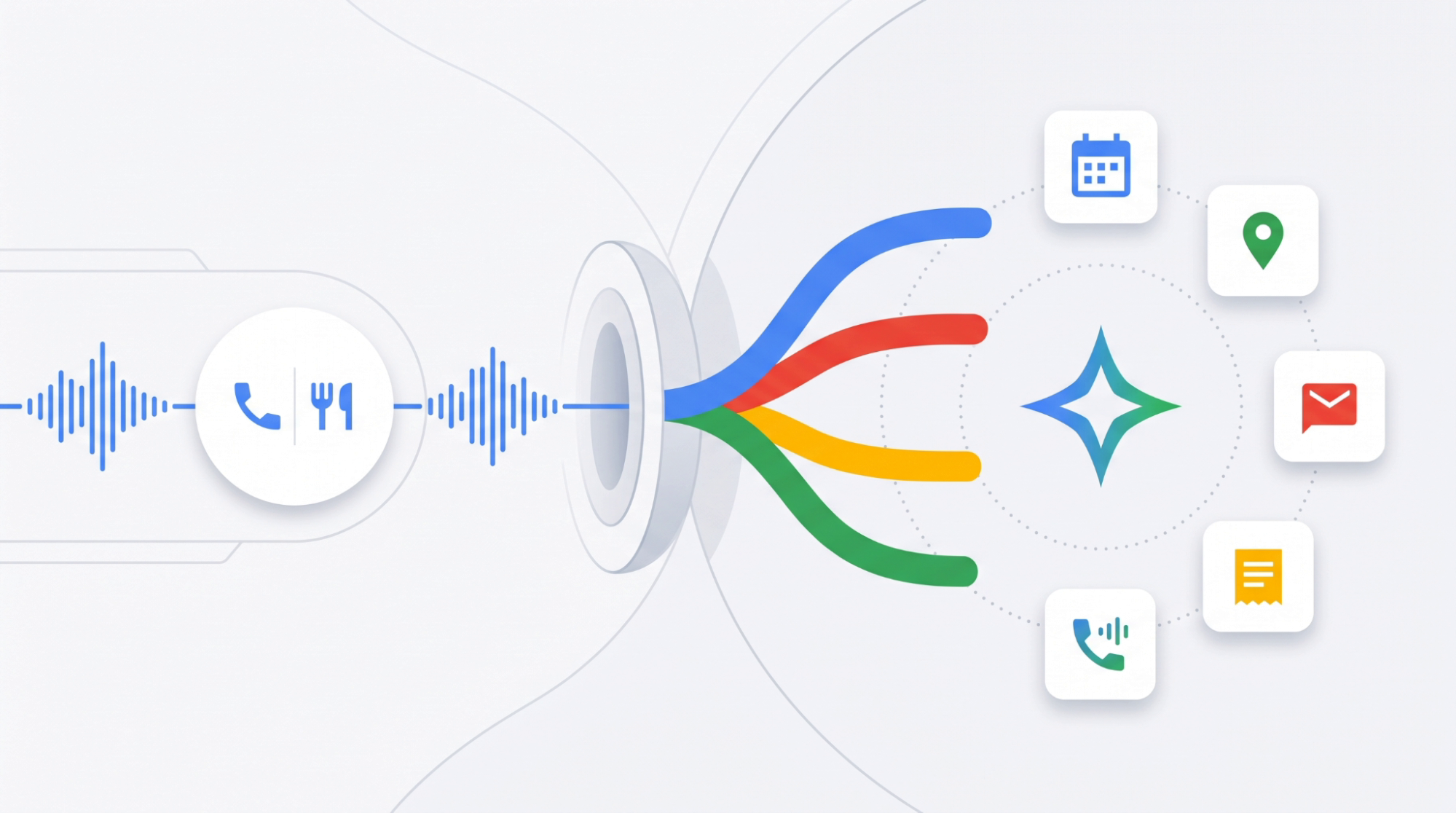
This evolution is significant because it addresses the primary limitation of early LLMs: the need for constant human micro-management. An agentic system, as suggested by the I/O 2026 theme, is designed to bridge the gap between a user's request and the final result. Whether it involves organizing information, managing schedules, or coordinating across different platforms, the "agentic Gemini" is positioned as a solution that understands the context of a task and takes the necessary steps to complete it, rather than just providing the information on how it might be done.
Productivity and the "Get More Done" Mandate
The secondary focus of the announcement—helping users "get more done"—serves as the functional benchmark for the agentic Gemini era. This mission statement suggests that Google is prioritizing utility over novelty. In previous years, the focus may have been on the creative or conversational capabilities of AI; however, the 2026 keynote anchors Gemini’s value proposition in tangible productivity gains. This shift is likely a response to the growing demand for AI tools that provide measurable time savings and reduce the cognitive load of routine tasks.
By focusing on "getting more done," Google is aligning Gemini with the core needs of both professional and personal users. The integration of agentic capabilities means that Gemini is no longer just a source of information but a partner in execution. This focus on productivity suggests that the underlying technology has reached a level of reliability where it can be trusted to handle tasks that were previously reserved for human intervention. The "agentic era" is thus defined by its ability to transform complex digital workflows into simplified, AI-driven actions, effectively turning Gemini into a comprehensive productivity engine.
Industry Impact
The move toward an agentic AI model has profound implications for the broader technology industry. First, it sets a new standard for what users expect from AI assistants. As Google pushes the "agentic" narrative, competitors will likely face pressure to move beyond simple chatbots and develop their own autonomous agents. This could trigger a new arms race in the AI sector, focused not just on model size or speed, but on the sophistication of an AI's agency and its ability to interact with other software and services.
Furthermore, the emphasis on productivity at I/O 2026 suggests a consolidation of AI services. If Gemini can truly help users "get more done" by acting as an autonomous agent, it may reduce the need for fragmented third-party productivity tools. For the industry, this means that the platform that successfully masters "agency" will likely become the primary gateway through which users interact with the digital world. Google's announcement positions Gemini to be that gateway, potentially reshaping the ecosystem of apps and services by placing an intelligent, agentic layer between the user and their digital tasks.
Frequently Asked Questions
Question: What does "agentic AI" mean in the context of Google I/O 2026?
Answer: In the context of the I/O 2026 announcement, "agentic AI" refers to Gemini's evolution into a proactive agent. Unlike traditional AI that waits for specific instructions for every step, agentic AI is designed to take initiative, understand complex goals, and execute tasks autonomously to help users achieve their objectives more efficiently.
Question: How does the "agentic Gemini era" differ from previous AI developments at Google?
Answer: Previous developments focused largely on the generative and conversational abilities of Gemini. The "agentic era" marks a shift toward action and autonomy. The focus is now on Gemini's ability to perform tasks and "get more done," rather than just generating text, images, or code in response to a prompt.
Question: What is the primary goal Google hopes to achieve with this new era of Gemini?
Answer: The primary goal, as stated in the announcement, is to help users increase their productivity. By imbuing Gemini with agentic qualities, Google aims to provide a tool that can handle complex workflows and assist users in completing tasks more effectively across the Google ecosystem.