
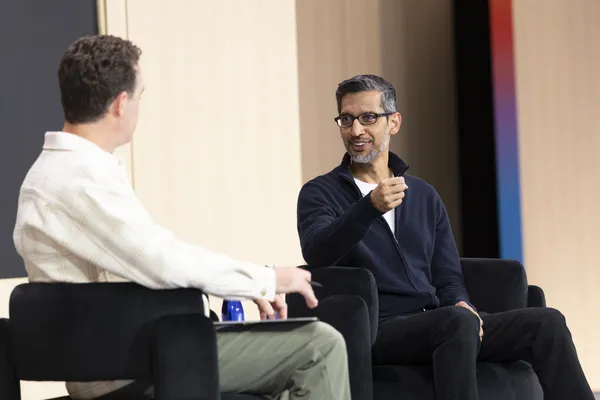
Google I/O 2026 Dialogues Recap: Exploring the Future of AI, Quantum Computing, Robotics, and Creativity
The 2026 Google I/O Dialogues stage provided a high-level forum for industry leaders to deliberate on the transformative technologies shaping the next decade. This comprehensive recap examines the core themes discussed during the event, specifically focusing on the future of artificial intelligence, the advancements in quantum computing, the evolution of robotics, and the critical role of human creativity. By synthesizing the insights shared by experts, the Dialogues stage highlighted the strategic convergence of these fields. This analysis explores how these four pillars—AI, quantum, robotics, and creativity—are being positioned as the primary drivers of innovation, offering a glimpse into the long-term vision presented by global technology leaders at one of the industry's most significant annual conferences.
Key Takeaways
- Strategic Technological Pillars: The Google I/O 2026 Dialogues stage centered on four critical areas: Artificial Intelligence, Quantum Computing, Robotics, and Creativity.
- Leadership Insights: The event featured a recap of discussions led by industry experts, focusing on the long-term trajectory and future potential of these emerging fields.
- Interdisciplinary Convergence: A major theme was the intersection of these technologies, suggesting that the future of innovation lies in how AI, quantum processing, and robotics can collectively enhance human creative endeavors.
- Future-Oriented Roadmap: The dialogues served as a visionary platform, moving beyond current product iterations to address the broader implications of technology on society and industry.
In-Depth Analysis
The Future of AI and Quantum Computing
The Dialogues stage at Google I/O 2026 placed a significant emphasis on the dual evolution of Artificial Intelligence and Quantum Computing. According to the event recap, leaders in the field engaged in deep discussions regarding how these two powerful technologies are expected to influence the future of the digital landscape. While AI continues to be a dominant force in current technological discourse, its pairing with quantum computing in these dialogues suggests a strategic shift toward solving complex problems that are currently beyond the reach of classical computing architectures.
The inclusion of the "future of AI" as a primary topic indicates a forward-looking perspective that transcends existing machine learning models. By situating AI alongside quantum computing, the event underscored a potential synergistic relationship where quantum processing could eventually accelerate AI training and execution. This convergence is poised to lead to unprecedented breakthroughs in data processing, algorithmic efficiency, and the ability to model complex systems, marking a new era of computational capability that was a central point of interest for the leaders at I/O 2026.
Robotics and the Creative Frontier
Another core component of the Google I/O 2026 Dialogues was the exploration of robotics and its relationship with human creativity. The recap notes that leaders discussed the future of robotics, a field that is increasingly moving from industrial applications into more integrated, everyday environments. The discussion of robotics in the same breath as creativity suggests a shift in how the industry views automated systems—not just as tools for efficiency or labor, but as active participants in the creative and innovative process.
The intersection of technology and creativity has become a focal point for modern innovation. By examining how AI and robotics can augment or transform creative endeavors, the Dialogues stage highlighted a future where the boundaries between human ingenuity and machine assistance become increasingly blurred. This focus on creativity indicates that the future of technology is being viewed through a lens that values human-centric outcomes, suggesting that the next generation of robotics and AI will be designed to expand artistic and innovative possibilities rather than simply replacing human effort.
Visionary Leadership and Technological Integration
The Dialogues stage served as a platform for leaders to share high-level insights that go beyond immediate product cycles. The recap emphasizes that these discussions were led by individuals at the forefront of their respective fields, providing a unique perspective on the challenges and opportunities that lie ahead. The integration of AI, quantum computing, and robotics into a single dialogue suggests that these technologies are no longer being viewed in isolation. Instead, they are seen as part of a cohesive ecosystem where advancements in one field directly inform and accelerate progress in the others.
This holistic approach to technological development is a hallmark of the 2026 Dialogues. By bringing together experts to discuss these diverse yet interconnected topics, the event provided a roadmap for the future of the industry. The emphasis on "dialogue" itself suggests that the path forward involves collaborative thinking and a multi-disciplinary approach to solving the most pressing technological questions of the mid-2020s.
Industry Impact
The discussions held at the Google I/O 2026 Dialogues stage carry significant weight for the broader technology industry. By identifying AI, quantum computing, and robotics as the primary areas of focus, the event signals to developers, investors, and competitors where the next wave of disruption and investment is likely to occur. The emphasis on these specific sectors suggests that the industry is moving toward a more integrated approach to technology, where hardware (robotics and quantum) and software (AI) work in tandem to drive global progress.
Furthermore, the inclusion of "creativity" as a major theme suggests that the tech industry is recognizing the need for more diverse and human-centric applications of technology. This could lead to increased investment in creative technologies and tools that empower users to leverage AI and robotics in new and unconventional ways. For the global tech ecosystem, the insights from the Dialogues stage serve as a strategic guide, highlighting the priorities and challenges that will define the coming years of innovation and technological adoption.
Frequently Asked Questions
What was the primary focus of the Dialogues stage at Google I/O 2026?
The Dialogues stage focused on a recap of discussions led by industry leaders regarding the future of four key areas: artificial intelligence (AI), quantum computing, robotics, and creativity.
Why were AI and quantum computing discussed together?
AI and quantum computing were discussed together to highlight their potential synergy. The dialogues suggested that the future of AI may be closely linked to the computational power provided by quantum computing, enabling the solution of highly complex problems.
How does the event view the relationship between robotics and creativity?
The event positioned robotics and creativity as interconnected fields, suggesting that future advancements in robotics will not only focus on automation but also on how these systems can enhance and participate in human creative processes.
