
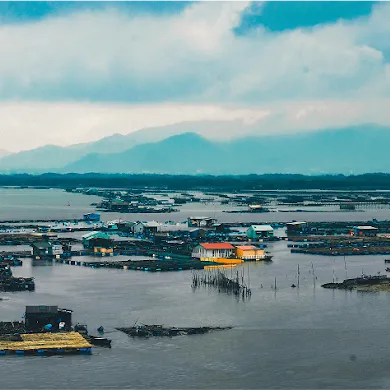
Google Open Sources Hydrology Framework to Enhance Global Flood Resilience and Climate Sustainability
Google Research has announced the open-sourcing of its proprietary hydrology framework, a pivotal move aimed at bolstering global flood resilience. By making this technology accessible to the public, Google intends to support the broader scientific and engineering communities in developing more effective flood forecasting and management tools. This initiative falls under Google’s Climate & Sustainability efforts, highlighting a commitment to using advanced data frameworks to address the escalating risks of climate-driven flooding. The open-source release is expected to facilitate collaborative research and empower local authorities with the technical infrastructure needed to protect vulnerable populations through improved hydrological modeling.
Key Takeaways
- Google is officially open-sourcing its hydrology framework to support global flood resilience.
- The initiative is a core part of Google’s Climate & Sustainability research and development strategy.
- Open access to this framework aims to accelerate the creation of accurate flood forecasting models worldwide.
- The move encourages collaborative innovation between tech leaders, researchers, and environmental agencies.
In-Depth Analysis
Advancing Climate Resilience Through Open Source
The decision to open source Google’s hydrology framework marks a significant milestone in the intersection of technology and climate adaptation. By transitioning this framework from a proprietary tool to an open-source resource, Google is providing the global research community with the foundational logic and structures used to model water movement and predict flood events. This transparency is crucial for climate sustainability, as it allows for independent verification, localized customization, and the rapid scaling of flood warning systems in regions that lack the resources to build such frameworks from scratch.
Strengthening Global Hydrological Modeling
Flood resilience depends heavily on the accuracy of hydrological models. Google’s framework represents a sophisticated approach to processing complex environmental data to forecast potential disasters. Open-sourcing this technology enables a decentralized approach to innovation, where developers and hydrologists can contribute improvements back to the framework. This collaborative ecosystem is essential for addressing the diverse and evolving challenges posed by global warming, ensuring that flood resilience tools remain at the cutting edge of scientific discovery.
Industry Impact
The open-sourcing of a major hydrology framework by a leading tech entity like Google sets a significant precedent for the industry. It signals a shift toward "open science" in the corporate sector, particularly concerning climate-related technologies. For the AI and data science industries, this move lowers the barrier to entry for startups and NGOs working on disaster mitigation. Furthermore, it promotes the standardization of hydrological data processing, which could lead to more integrated and interoperable global environmental monitoring systems.
Frequently Asked Questions
Question: What is the primary goal of open-sourcing Google’s hydrology framework?
The primary goal is to enhance global flood resilience by providing researchers and developers with the tools necessary to build and improve flood forecasting models, ultimately helping to protect communities from climate-related disasters.
Question: How does this framework relate to Google’s sustainability goals?
This initiative is a key component of Google’s Climate & Sustainability efforts, focusing on leveraging technology to mitigate the impacts of climate change and provide actionable data for environmental protection.