Satya Nadella Features in Exclusive No Priors and Latent Space Crossover Special at Microsoft Build 2026
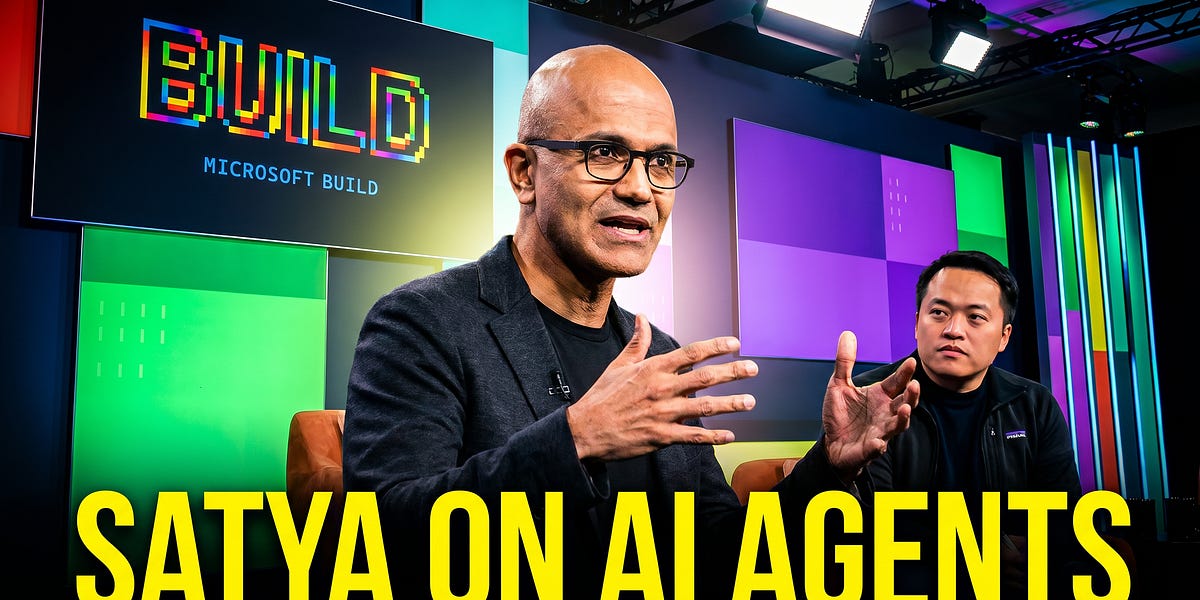
Microsoft CEO Satya Nadella has made a landmark appearance on the Latent Space podcast, marking his first-ever participation in the program. This special event is a high-profile crossover with the No Priors podcast, recorded during the Microsoft Build 2026 conference. The collaboration brings together one of the world's most influential tech leaders with two of the most prominent voices in the AI and developer media landscape. By choosing this platform during Microsoft's premier developer event, Nadella highlights the increasing importance of technical discourse and community engagement in the age of artificial intelligence. This crossover serves as a significant milestone for both podcast series and underscores Microsoft's ongoing focus on the developer ecosystem.
Key Takeaways
- Historic Debut: Satya Nadella makes his first-ever appearance on the Latent Space podcast.
- Strategic Crossover: The episode represents a unique collaboration between the No Priors and Latent Space podcast platforms.
- Event Context: The special session was recorded and released in conjunction with Microsoft Build 2026.
- Leadership Engagement: The appearance signifies a direct engagement between Microsoft’s top leadership and the specialized AI developer community.
In-Depth Analysis
The Landmark Crossover: Latent Space meets No Priors
The announcement of Satya Nadella’s appearance on a crossover special between Latent Space and No Priors marks a pivotal moment in tech media. Latent Space has established itself as a go-to resource for deep-dive technical insights into the AI revolution, while No Priors has built a reputation for exploring the foundational shifts in technology and venture capital. By merging these two audiences for a session with the CEO of Microsoft, the event creates a comprehensive platform that addresses both the technical execution and the broad strategic vision of modern computing. This crossover reflects a growing trend where traditional corporate communication is being supplemented—or even replaced—by long-form, specialized technical media that resonates more deeply with the developer community.
Satya Nadella’s Strategic Media Presence
Satya Nadella’s decision to join this specific crossover special during Microsoft Build 2026 is a calculated move that reinforces Microsoft's identity as a developer-first company. As the "legendary Microsoft CEO" makes his first appearance on Latent Space, it signals an acknowledgment of the podcast's influence within the AI engineering space. Unlike traditional mainstream media interviews, appearing on technical podcasts allows a leader to engage with the nuances of product development, AI infrastructure, and the evolving needs of software engineers. This level of engagement is crucial at a time when Microsoft is positioning itself as the primary platform for the next generation of AI-driven applications.
Microsoft Build 2026: The Ultimate Stage
The timing of this appearance, coinciding with Microsoft Build 2026, places the conversation at the heart of the industry's most significant developer gathering. Microsoft Build has historically been the venue where the company unveils its most critical tools and frameworks. By integrating a high-level podcast crossover into the event's ecosystem, Microsoft is effectively humanizing its leadership and providing a narrative bridge between the keynote announcements and the practical realities of the developers in attendance. The presence of Nadella in this format suggests that the dialogue between the platform provider and the creator community is more vital than ever in the current AI era.
Industry Impact
The participation of a CEO of Nadella's stature in a specialized AI podcast crossover has several implications for the industry. First, it validates the role of independent, technical media as a primary channel for corporate storytelling and industry influence. Second, it sets a precedent for other tech executives to engage in more granular, long-form discussions rather than relying solely on scripted press releases or short-form interviews. For the AI industry specifically, this crossover highlights the convergence of infrastructure, application development, and executive strategy, suggesting that the future of the field will be defined by how well these three areas are integrated. As Microsoft continues to lead in AI, such engagements serve to solidify its relationship with the builders who are actually implementing these technologies.
Frequently Asked Questions
Question: What is the significance of Satya Nadella appearing on Latent Space?
This marks Satya Nadella's first appearance on the Latent Space podcast. It is significant because it brings the CEO of one of the world's largest tech companies into a specialized forum dedicated to deep-dive AI and developer topics, highlighting the importance of the developer community to Microsoft's strategy.
Question: What is the "No Priors x Latent Space" crossover?
It is a special collaborative episode featuring the hosts and audiences of both the No Priors and Latent Space podcasts. This crossover event was designed to provide a multi-faceted look at the state of AI and technology, featuring Satya Nadella as the primary guest.
Question: When and where was this special episode recorded?
The episode was recorded during Microsoft Build 2026, Microsoft's annual flagship conference for software engineers and developers, which took place in early June 2026.