
Meituan Data Platform Revolutionizes BI Architecture with Metric-Centric Design and Enhanced Computing Capabilities
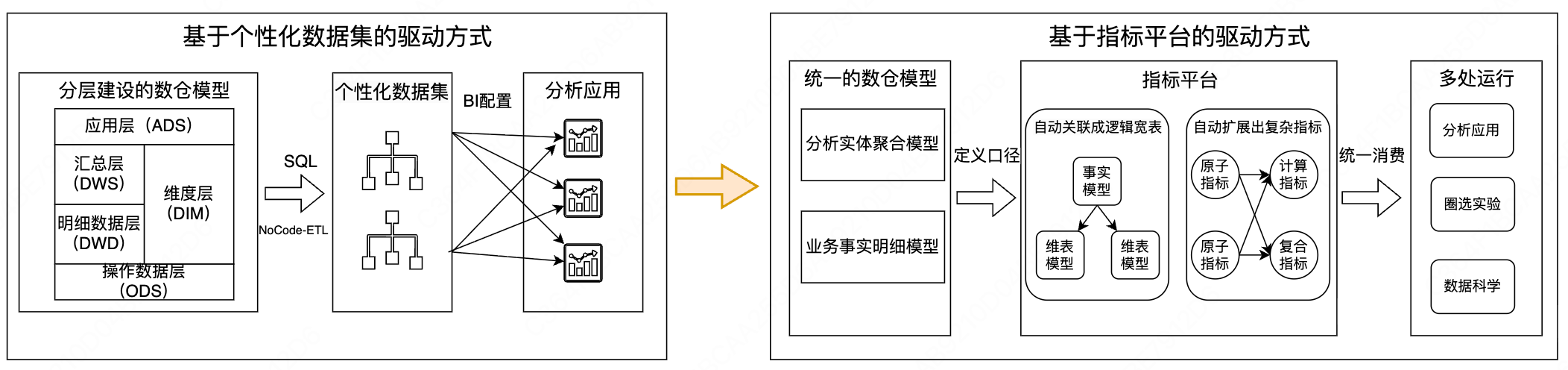
Meituan's technical team has unveiled a new generation of Business Intelligence (BI) architecture centered on a dedicated metric platform. By implementing two core capabilities—automatic semantics and enhanced computing—the platform addresses long-standing challenges in traditional BI systems. These challenges often include inconsistent data definitions (data mouthpieces) and degraded query performance resulting from fragmented, personalized datasets. This strategic shift aims to unify data logic and optimize computational efficiency, ensuring that business decisions are based on accurate, high-performance data analysis. The transition marks a significant evolution from traditional dataset-driven models to a more robust, metric-driven framework within Meituan's data ecosystem, focusing on solving the core pain points of data chaos and slow response times in large-scale enterprise environments.
Key Takeaways
- Metric-Centric Shift: Meituan has transitioned from traditional dataset-driven BI to a new generation architecture centered on a unified metric platform.
- Solving Data Inconsistency: The new system addresses the common issue of "conflicting data mouthpieces" or inconsistent logic caused by personalized datasets.
- Performance Optimization: Through enhanced computing capabilities, Meituan has significantly improved query performance, overcoming the limitations of traditional BI tools.
- Core Technical Pillars: The architecture relies on two primary innovations: automatic semantics and enhanced computing to streamline data processing and interpretation.
In-Depth Analysis
The Transition to a Metric-Centric Architecture
For years, traditional Business Intelligence (BI) platforms have relied on a dataset-driven approach. In such environments, individual users or departments often create personalized datasets to meet specific analytical needs. While this offers flexibility, it inevitably leads to a phenomenon known as "data mouthpiece confusion," where different reports provide conflicting values for the same business metric due to underlying logic discrepancies.
Meituan's data platform team recognized that the root cause of this inefficiency was the lack of a centralized definition layer. By building a new generation BI architecture centered on a Metric Platform, Meituan has moved the logic away from individual reports and into a unified semantic layer. This ensures that a metric like "Daily Active Users" or "Gross Merchandise Value" is calculated identically across the entire organization, regardless of which department is accessing the data. This shift represents a move toward a "Single Source of Truth," which is critical for high-stakes decision-making in a massive ecosystem like Meituan.
Overcoming Performance Bottlenecks with Enhanced Computing
Beyond data consistency, traditional BI architectures often struggle with query performance as data volumes scale. Personalized datasets frequently lead to redundant computations and unoptimized query paths, resulting in slow dashboard loading times and a poor user experience.
To combat this, Meituan has integrated Enhanced Computing and Automatic Semantics into their analysis engine. Automatic semantics allow the system to understand the relationship between different data entities without manual intervention, streamlining the path from raw data to actionable insight. Meanwhile, the enhanced computing layer optimizes how these queries are executed across the distributed data infrastructure. By pre-calculating common metric combinations or utilizing advanced caching and execution strategies, the platform can deliver near-instantaneous results even when dealing with the massive datasets generated by Meituan's various business lines, such as food delivery, hotel booking, and local services.
Industry Impact
Meituan's exploration into metric platforms reflects a broader trend in the global data industry toward "Headless BI" or "Metric Stores." As enterprises grow, the cost of data inconsistency becomes prohibitive. By successfully implementing a system that decouples metric definition from data visualization, Meituan provides a blueprint for other large-scale technology companies facing similar scaling pains.
Furthermore, the focus on automatic semantics suggests a move toward more intelligent, self-optimizing data systems. This reduces the burden on data engineers and allows business analysts to focus on deriving insights rather than troubleshooting why two reports don't match. As AI and machine learning continue to integrate with BI, the existence of a clean, unified metric layer will be a prerequisite for any advanced automated analysis or predictive modeling.
Frequently Asked Questions
Question: What is the main problem Meituan solved with its new BI architecture?
Meituan primarily addressed the issues of inconsistent data definitions (often referred to as "conflicting data mouthpieces") and poor query performance that typically plague traditional BI platforms driven by fragmented, personalized datasets.
Question: How do "Automatic Semantics" and "Enhanced Computing" work together?
Automatic semantics provide the system with an automated understanding of data relationships and logic, ensuring consistency. Enhanced computing then takes this structured logic and optimizes the physical execution of queries to ensure high performance and low latency, even at massive scales.
Question: Why is a metric platform better than a traditional dataset-driven approach?
A metric platform centralizes the logic for business calculations. In a dataset-driven approach, logic is often duplicated and modified across different reports, leading to errors. A metric platform ensures that everyone in the company uses the same definition for the same KPI, improving data trust and organizational alignment.
