
Meituan BI Evolution: Building a Next-Generation Metric Platform and Analysis Engine for Enhanced Data Consistency
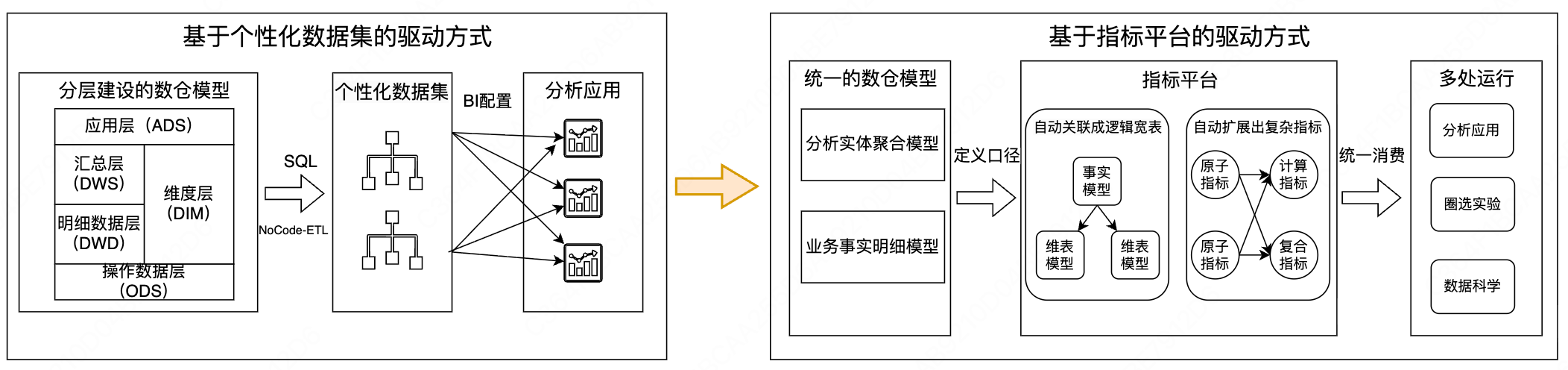
Meituan's data platform team has pioneered a new generation of Business Intelligence (BI) architecture centered on a unified Metric Platform. This strategic shift addresses critical challenges inherent in traditional BI systems, such as inconsistent data definitions (data caliber confusion) and poor query performance resulting from personalized dataset-driven models. By developing two core technical capabilities—Automatic Semantics and Enhanced Computing—Meituan has successfully streamlined its data analysis processes. This architecture ensures that business metrics remain consistent across the organization while significantly optimizing the efficiency of complex data queries. The practice represents a significant advancement in Meituan's technical infrastructure, moving toward a more centralized and performant data-driven decision-making environment.
Key Takeaways
- Metric-Centric Architecture: Meituan has transitioned to a new BI framework that prioritizes a centralized Metric Platform over traditional personalized datasets.
- Solving Data Inconsistency: The new system specifically targets the issue of "data caliber confusion," ensuring uniform definitions across different business units.
- Core Technical Pillars: The architecture relies on two primary innovations: Automatic Semantics and Enhanced Computing.
- Performance Optimization: The implementation of an analysis engine with enhanced computing capabilities directly addresses the query performance bottlenecks found in legacy BI tools.
In-Depth Analysis
Transitioning to a Unified Metric Platform
In traditional Business Intelligence environments, data analysis is often driven by personalized datasets. While this provides flexibility for individual users or teams, it frequently leads to a fragmented data landscape. Meituan identified that this decentralization causes "data caliber confusion," where the same business metric might be calculated differently across various reports. To combat this, Meituan's data platform team constructed a new generation BI architecture that places a Metric Platform at its core. By centralizing the logic of how metrics are defined and calculated, the platform acts as a single source of truth, ensuring that every stakeholder is looking at the same figures, regardless of the specific analysis being performed.
Empowering BI with Automatic Semantics and Enhanced Computing
The technical foundation of Meituan's new BI architecture rests on two critical capabilities: Automatic Semantics and Enhanced Computing.
Automatic Semantics is designed to bridge the gap between raw data structures and business-level understanding. In traditional setups, mapping technical data to business logic is a manual and error-prone process that contributes to the aforementioned caliber issues. By automating the semantic layer, Meituan can maintain a consistent interpretation of data across the enterprise.
Enhanced Computing, on the other hand, focuses on the physical execution of data queries. Traditional BI platforms often struggle with performance when dealing with the scale and complexity of Meituan's data. The integration of an analysis engine equipped with enhanced computing capabilities allows the platform to handle high-concurrency and complex analytical tasks with greater efficiency, ensuring that users receive insights in a timely manner without the lag associated with legacy systems.
Overcoming the Limitations of Personalized Datasets
The shift away from a purely personalized dataset-driven model is a response to the inherent scalability issues of older BI practices. While personalized datasets allow for rapid, ad-hoc reporting, they lack the governance necessary for a large-scale organization. Meituan's exploration into this new architecture demonstrates a balance between user flexibility and organizational consistency. By solving the performance and definition problems at the architectural level, the data platform team has created a more robust environment for data-driven operations, allowing the business to scale its analytical needs without sacrificing accuracy or speed.
Industry Impact
Meituan's practice in building a metric-centric BI architecture reflects a broader trend in the global data industry toward the "Metric Layer" or "Headless BI." As organizations grow, the cost of data inconsistency and slow query performance becomes a significant barrier to effective decision-making. Meituan's successful implementation of Automatic Semantics and Enhanced Computing provides a technical blueprint for other large-scale enterprises facing similar challenges. This approach highlights the importance of decoupling metric logic from the visualization layer, a move that is increasingly seen as essential for maintaining data integrity in complex, high-growth technical environments.
Frequently Asked Questions
Question: What is the primary goal of Meituan's new BI architecture?
The primary goal is to solve the problems of inconsistent data definitions (data caliber confusion) and poor query performance that are common in traditional BI platforms driven by personalized datasets.
Question: How does Meituan ensure that different teams use the same data definitions?
Meituan uses a centralized Metric Platform supported by Automatic Semantics. This ensures that the logic for calculating business metrics is standardized and automatically mapped from the data source, preventing different teams from creating conflicting definitions.
Question: What role does the analysis engine play in this new system?
The analysis engine utilizes "Enhanced Computing" capabilities to improve the speed and efficiency of data queries. This addresses the performance issues that typically arise when processing large-scale datasets in a traditional BI environment.
