
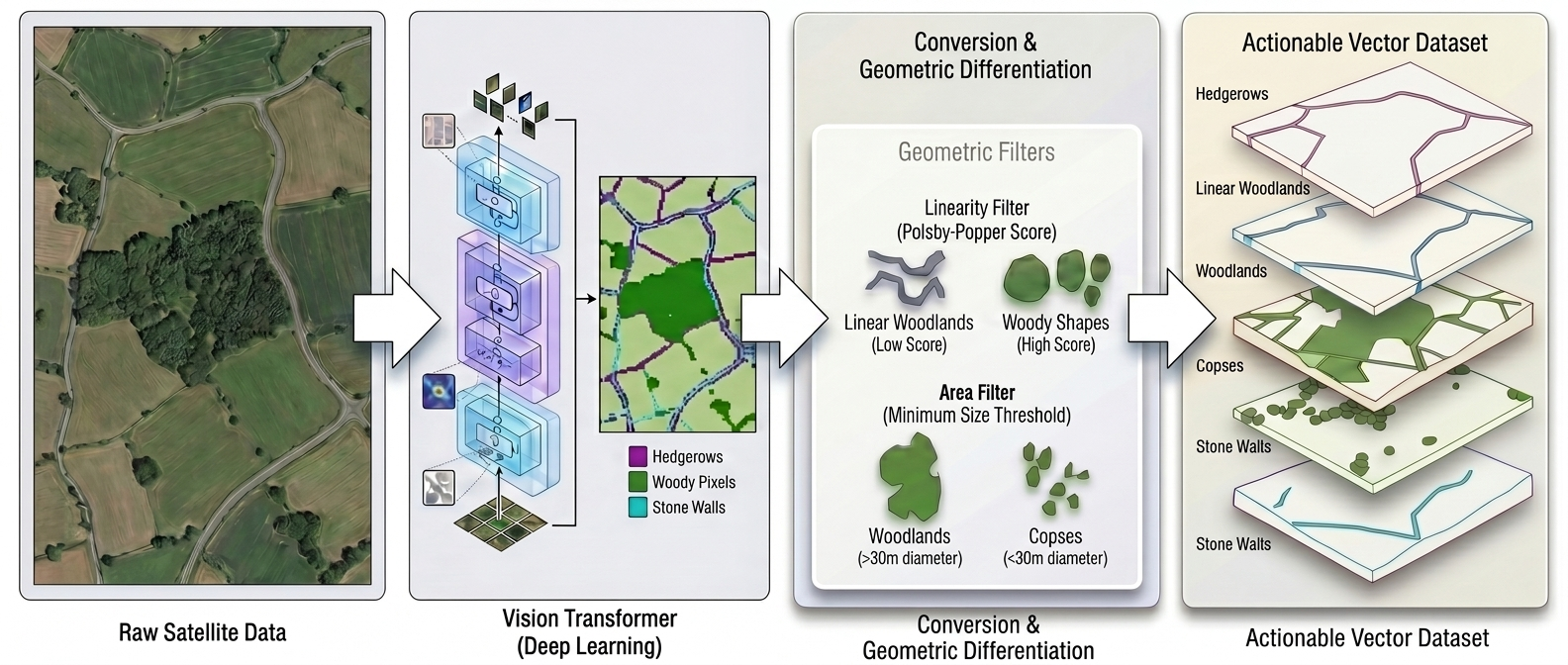
Google Research Advances Earth AI for Nature Restoration: Transforming Satellite Pixels into Actionable Environmental Planning
Google Research has introduced a new framework titled "From pixels to planning: Earth AI for nature restoration," highlighting the pivotal role of artificial intelligence in environmental conservation. This initiative focuses on bridging the gap between raw satellite data—referred to as "pixels"—and the strategic implementation of restoration projects. By leveraging Earth AI, the project aims to provide more precise tools for climate and sustainability efforts. This analysis explores the transition from data collection to ecological planning, emphasizing how AI can streamline nature restoration and support global sustainability goals as outlined in the latest Google Research update. The focus remains on utilizing advanced machine learning to interpret complex environmental data for better decision-making in the field of nature restoration.
Key Takeaways
- Strategic Shift: Google Research is moving beyond simple data observation to integrated "planning" for nature restoration.
- Earth AI Integration: The use of specialized AI models to interpret satellite "pixels" for ecological recovery.
- Climate Focus: The initiative is a core part of Google’s broader Climate & Sustainability research agenda.
- Actionable Insights: The goal is to provide tools that translate raw environmental data into practical restoration strategies.
In-Depth Analysis
From Observation to Implementation: The "Pixels to Planning" Framework
The core of the latest announcement from Google Research revolves around the transition from "pixels to planning." In the context of Earth AI, "pixels" represent the vast amounts of raw data captured by satellite imagery and remote sensing technologies. Historically, the challenge for environmental scientists has not been the lack of data, but the ability to process and interpret that data at a scale that allows for effective action. Google Research is addressing this by applying artificial intelligence to transform these digital snapshots into comprehensive planning models. This shift suggests a move toward more proactive environmental management, where AI does not just identify where degradation is happening but helps simulate and plan the most effective restoration pathways.
The Role of Earth AI in Nature Restoration
Nature restoration is a complex process that requires an understanding of biodiversity, soil health, water cycles, and local climates. The "Earth AI" mentioned by Google Research serves as the technological bridge in this process. By utilizing machine learning algorithms, Earth AI can analyze historical and real-time data to predict how different ecosystems will respond to various restoration techniques. This capability is crucial for scaling nature-based solutions to climate change. The integration of AI into this field allows for a more granular approach to sustainability, ensuring that restoration efforts are tailored to the specific needs of a landscape as identified through high-resolution data analysis.
Climate and Sustainability: A Data-Driven Approach
The publication of this research under the "Climate & Sustainability" category underscores Google's commitment to using its computational power for environmental benefit. By focusing on nature restoration, Google Research is targeting one of the most effective ways to sequester carbon and preserve biodiversity. The emphasis on "planning" indicates that the research is intended to support stakeholders—ranging from local governments to international conservation groups—in making informed decisions. This data-driven approach minimizes the risks associated with large-scale environmental projects and maximizes the potential for long-term ecological success.
Industry Impact
The introduction of advanced Earth AI tools for nature restoration has significant implications for the environmental and technology sectors. For the AI industry, it demonstrates a sophisticated application of computer vision and predictive analytics beyond traditional commercial uses. For the conservation sector, it provides a much-needed technological upgrade, potentially lowering the costs and increasing the success rates of restoration projects. As Google Research continues to develop these tools, we can expect a shift toward more standardized, data-backed methodologies in global sustainability efforts. This could lead to increased investment in nature-based solutions as the ability to plan and measure results becomes more precise through AI.
Frequently Asked Questions
Question: What does "pixels to planning" mean in the context of Google Research?
It refers to the process of taking raw satellite imagery (pixels) and using artificial intelligence to analyze that data to create actionable strategies (planning) for environmental restoration and sustainability projects.
Question: How does Earth AI contribute to nature restoration?
Earth AI helps by processing complex environmental data to identify areas in need of restoration, predicting the outcomes of different ecological interventions, and providing a framework for long-term monitoring and management of natural habitats.
Question: Why is this initiative categorized under Climate & Sustainability?
Because the primary goal of using Earth AI for nature restoration is to address climate change through carbon sequestration and to promote environmental sustainability by restoring degraded ecosystems and protecting biodiversity.
