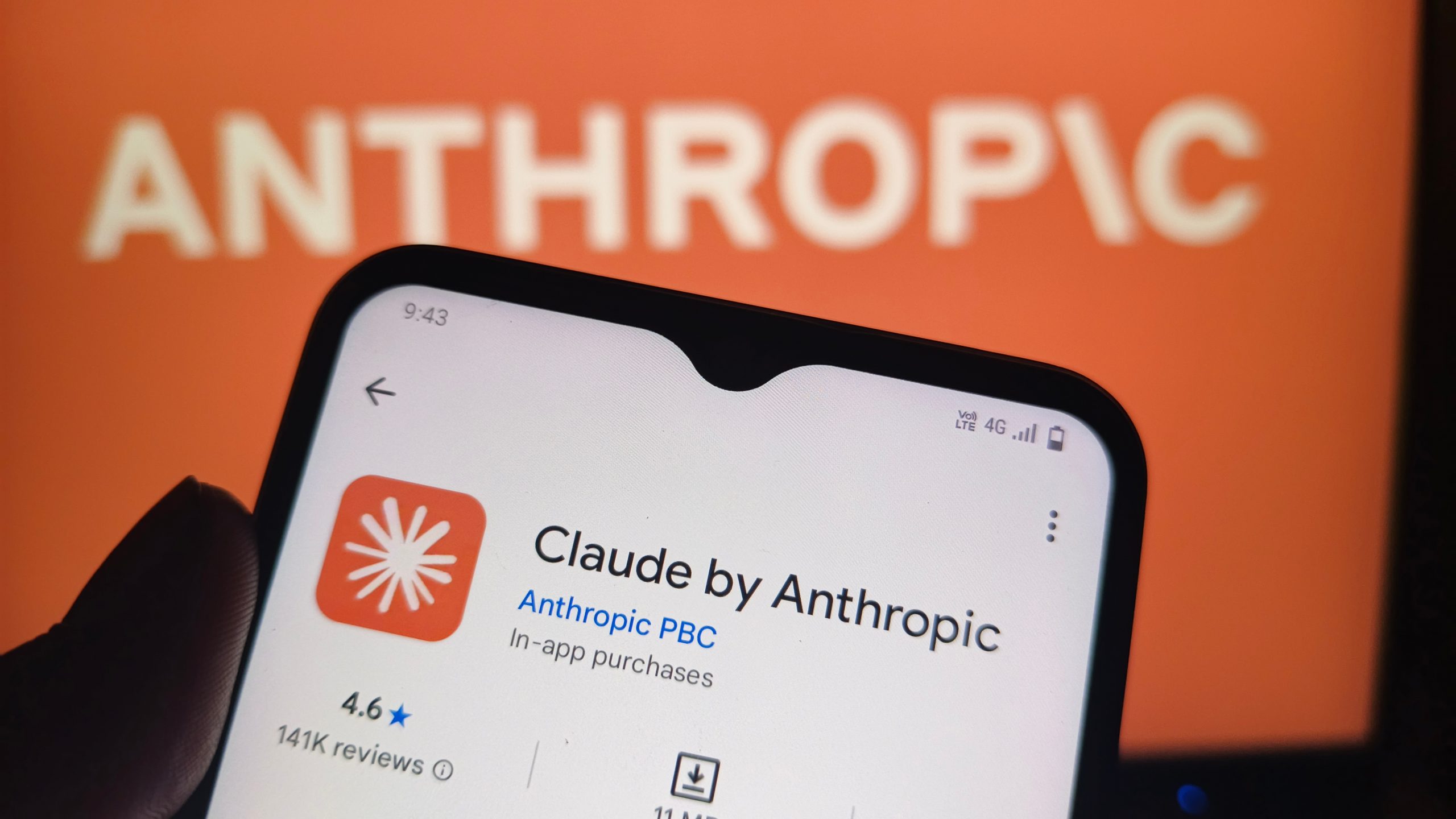
Anthropic Launches Official Claude Code Plugin Directory to Enhance Developer Ecosystem
Anthropic has officially introduced a curated directory for Claude Code plugins, hosted on GitHub. This new repository, titled 'claude-plugins-official,' serves as a centralized hub for high-quality extensions designed to work with Claude's coding environment. Managed directly by the Anthropic team, the directory aims to provide developers with a reliable and verified source of tools to extend the functionality of Claude Code. By establishing an official channel for plugin discovery, Anthropic is taking a significant step toward standardizing the developer experience and ensuring that third-party integrations meet specific quality and security standards. This move highlights the growing importance of ecosystem building in the competitive landscape of AI-powered development tools.
Key Takeaways
- Official Curation: Anthropic has launched a managed directory specifically for Claude Code plugins to ensure high-quality standards.
- Centralized Hub: The repository serves as a primary location for developers to find and integrate verified extensions.
- GitHub Integration: By hosting the directory on GitHub, Anthropic leverages the platform's collaborative features for the developer community.
- Ecosystem Growth: This initiative marks a strategic move by Anthropic to expand the capabilities of Claude Code through a structured plugin architecture.
In-Depth Analysis
The Strategic Importance of an Official Plugin Directory
The release of the claude-plugins-official repository by Anthropic represents a pivotal moment in the evolution of Claude Code. In the software development world, a tool's utility is often defined not just by its core features, but by the ecosystem of extensions that surround it. By creating an official directory, Anthropic is signaling its commitment to a robust, extensible platform. This curated approach is designed to solve the common problem of fragmentation in open-source environments. When developers look for tools to enhance their workflow, they often face a sea of unverified or outdated plugins. Anthropic’s decision to manage this directory ensures that the community has a "source of truth" for high-quality integrations that are guaranteed to work seamlessly with Claude Code.
Furthermore, the "official" designation carries significant weight regarding security and performance. In an era where supply chain attacks and malicious code are major concerns for developers, having a directory managed by the original creators of the AI model provides a layer of trust. This curation process likely involves vetting plugins for efficiency and safety, which is crucial for enterprise-level developers who require stability in their coding environments. The directory acts as a bridge between the core Claude Code functionality and the diverse needs of the global developer community.
Enhancing the Developer Experience via GitHub
Choosing GitHub as the host for the Claude Code plugin directory is a calculated move to meet developers where they already work. GitHub is the de facto standard for version control and open-source collaboration, making it the ideal environment for a plugin ecosystem. This choice allows for transparent updates, issue tracking, and community feedback, which are essential for the growth of any software directory. By making the directory public and official, Anthropic encourages a culture of transparency and high standards.
This move also suggests that Anthropic is focusing on the "developer-first" mentality. Instead of keeping the plugin ecosystem closed or hidden within a proprietary interface, they are utilizing the open-source spirit of GitHub to foster innovation. This approach allows developers to see how plugins are structured and what the official standards for quality look like. As Claude Code continues to gain traction among software engineers, this repository will likely become the cornerstone of the platform's extensibility, allowing for specialized tools that cater to different programming languages, frameworks, and deployment environments.
Industry Impact
The launch of an official plugin directory has several implications for the AI and software development industry:
- Standardization of AI Coding Tools: By setting a standard for what constitutes a "high-quality" plugin, Anthropic is helping to define the benchmarks for the broader AI coding assistant market. This could lead to a more professionalized ecosystem across the industry.
- Competitive Positioning: This move places Claude Code in direct competition with other major AI-integrated development environments (IDEs) and assistants that have established plugin marketplaces. It shows that Anthropic is not just focused on the model itself, but on the entire developer workflow.
- Accelerated Innovation: A curated directory lowers the barrier to entry for developers looking to customize their AI tools. By providing a clear path for discovery, Anthropic is likely to see a surge in creative and functional extensions that push the boundaries of what AI-assisted coding can achieve.
Frequently Asked Questions
Question: What is the Claude Code plugin directory?
The Claude Code plugin directory is an official, curated repository managed by Anthropic on GitHub. It contains a selection of high-quality plugins designed to extend and enhance the functionality of the Claude Code environment for developers.
Question: Why is it important that the directory is "officially managed" by Anthropic?
Official management ensures that the plugins listed meet Anthropic's standards for quality, security, and compatibility. This provides developers with a trusted source for extensions, reducing the risks associated with using unverified third-party code.
Question: Where can I find the official Claude Code plugins?
The plugins are hosted in a dedicated GitHub repository under the Anthropic organization, specifically at the URL: https://github.com/anthropics/claude-plugins-official.