DeepTutor: HKUDS Launches AI Framework for Lifelong Personalized Tutoring
DeepTutor, a new project developed by the University of Hong Kong Data Science Lab (HKUDS), has surfaced as a significant development in the field of AI-driven education. Positioned as a framework for "lifelong personalized tutoring," the project aims to leverage advanced data science techniques to provide continuous, adaptive learning support. Currently trending on GitHub, DeepTutor represents an academic effort to formalize personalized education through an open-source approach. While the initial release focuses on the core vision and accessibility via its official website, deeptutor.info, it signals a growing trend in the AI industry toward long-term, learner-centric models. This analysis examines the emergence of DeepTutor and its potential role in the evolving landscape of educational technology and personalized AI systems.
Key Takeaways
- Project Focus: DeepTutor is designed specifically for "lifelong personalized tutoring," moving beyond static educational tools.
- Academic Origin: The framework is developed by HKUDS (University of Hong Kong Data Science Lab), a prominent research group in the field of data science.
- Open Source Presence: The project is hosted on GitHub, emphasizing community collaboration and transparency in AI development.
- Digital Infrastructure: Alongside its repository, the project is supported by a dedicated web platform at deeptutor.info.
In-Depth Analysis
The Vision of Lifelong Personalized Tutoring
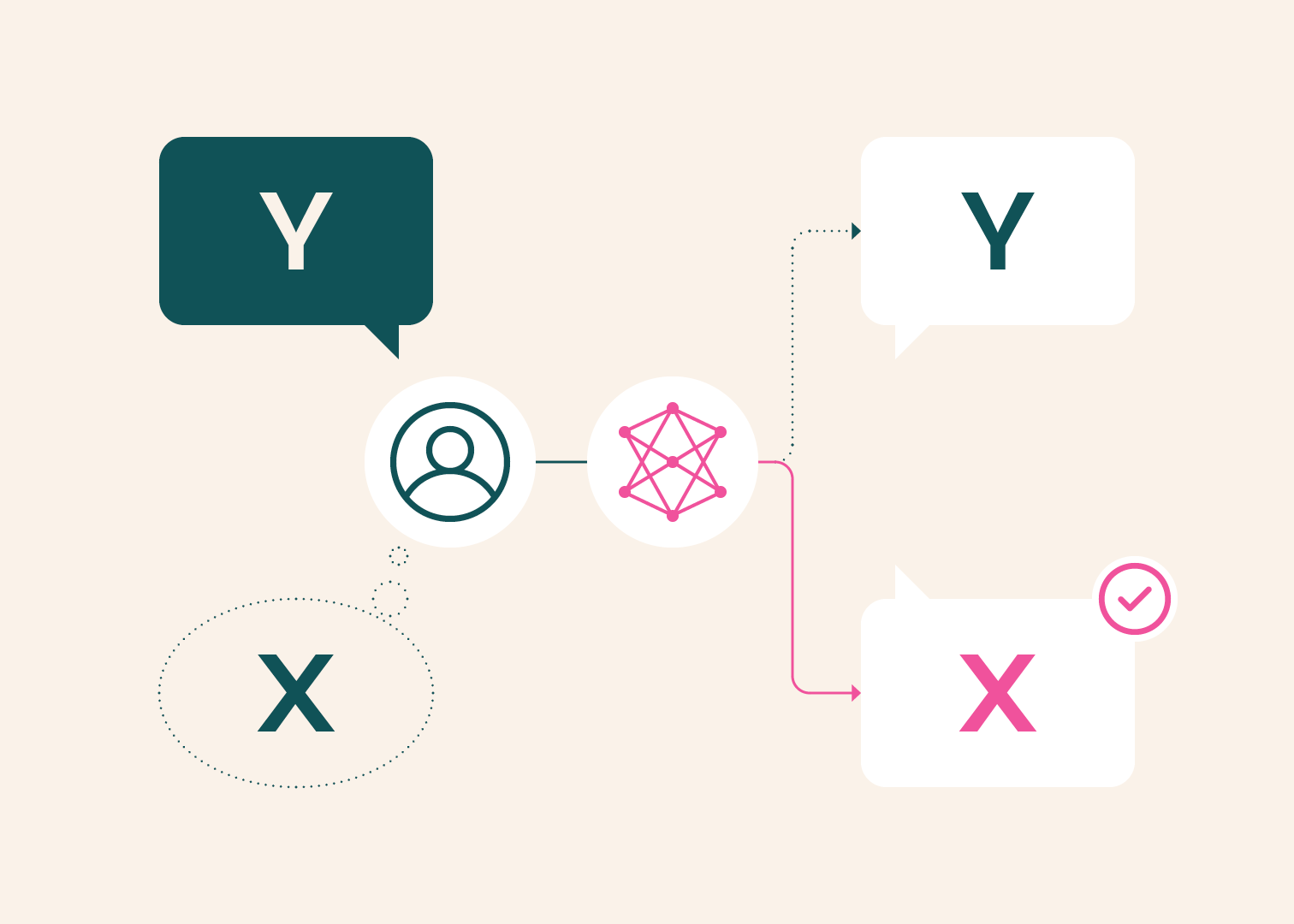
DeepTutor introduces a specialized focus on the concept of "lifelong" education. Unlike traditional tutoring systems that may focus on specific subjects or short-term academic goals, the branding of DeepTutor suggests a framework intended to accompany a learner throughout their educational journey. By integrating "personalized" tutoring, the project aims to address the unique needs, paces, and styles of individual users. This approach reflects a broader shift in the artificial intelligence sector toward systems that are not only reactive but also adaptive over long periods. The emphasis on personalization indicates that the underlying models are likely designed to process user-specific data to tailor educational content and feedback.
The Role of HKUDS in AI Research
The development of DeepTutor by the University of Hong Kong Data Science Lab (HKUDS) lends significant academic weight to the project. HKUDS is known for its contributions to data science and machine learning, and the launch of DeepTutor represents a practical application of their research in a real-world context. By releasing the project on GitHub, HKUDS facilitates a bridge between theoretical AI research and accessible software tools. This move allows other researchers and developers to examine the methodologies employed in creating a personalized tutoring system, potentially setting a new standard for how academic institutions share AI-driven educational frameworks with the global community.
Accessibility and Open-Source Development
The choice to host DeepTutor on GitHub and provide a dedicated URL (deeptutor.info) highlights a commitment to accessibility. In the current AI landscape, open-source repositories serve as the primary vehicle for innovation, allowing for rapid iteration and peer review. DeepTutor’s presence on GitHub Trending suggests a high level of interest from the developer community, which is crucial for the growth of any AI framework. The project's structure, as indicated by its initial documentation and logo assets, points toward a professionalized approach to open-source software, aiming to provide a clear identity and a centralized hub for users and contributors alike.
Industry Impact
The emergence of DeepTutor has several implications for the AI and education industries. First, it underscores the increasing importance of personalized AI. As Large Language Models (LLMs) become more sophisticated, the industry is moving toward specialized applications like tutoring that require deep context and long-term memory. DeepTutor’s focus on "lifelong" learning aligns with the industry's goal of creating AI companions that provide value over years rather than minutes.
Second, the project highlights the vital role of academic institutions in driving AI innovation. While private companies dominate much of the AI narrative, labs like HKUDS provide essential open-source alternatives that prioritize research integrity and educational progress. This can lead to more diverse and ethically grounded AI tools in the classroom. Finally, DeepTutor contributes to the democratization of high-quality tutoring, potentially offering a scalable solution to educational inequality by providing personalized support that was previously only available through human tutors.
Frequently Asked Questions
What is the primary objective of DeepTutor?
DeepTutor is an AI-driven framework created by HKUDS that focuses on providing lifelong, personalized tutoring to support continuous learning and individualized educational needs.
Who is responsible for the development of DeepTutor?
The project is developed by the University of Hong Kong Data Science Lab (HKUDS), a research group specializing in data science and artificial intelligence.
How can the public access the DeepTutor project?
DeepTutor is available as an open-source repository on GitHub and can also be explored through its official website at deeptutor.info.