
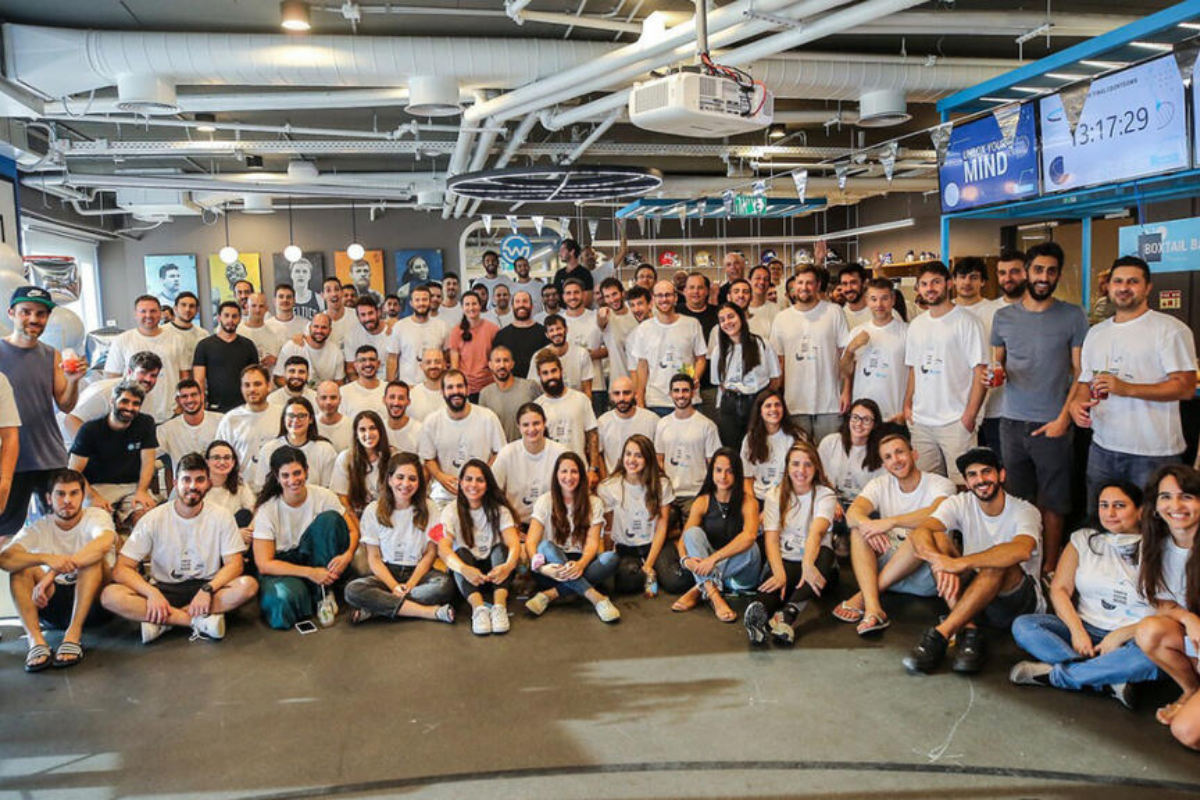
Israel-Based Sports AI Startup WSC Sports Announces Workforce Reduction Affecting 10 Percent of Global Employees
WSC Sports, a prominent Israeli sports AI startup, has officially announced a workforce reduction of approximately 10%, which translates to the layoff of around 70 employees. The company currently maintains a global workforce of about 680 individuals, with a significant majority—550 employees—based at its primary headquarters in Ramat Gan, Israel. This strategic move highlights a shift in the company's operational structure. While the specific internal drivers for the layoffs were not detailed in the report, the reduction reflects a recalibration of resources within the organization. This analysis explores the scale of the cuts, the geographic distribution of the affected workforce, and the current positioning of WSC Sports as it manages its global operations from its Israeli hub.
Key Takeaways
- Workforce Reduction: WSC Sports is cutting approximately 10% of its total staff, amounting to roughly 70 positions.
- Global Headcount: Prior to the layoffs, the company employed a total of 680 people across its global operations.
- Centralized Operations: A significant portion of the workforce, totaling 550 employees, is located at the company's headquarters in Ramat Gan, Israel.
- Strategic Realignment: The reduction indicates a shift in the company's human resource allocation and operational strategy.
In-Depth Analysis
The Scale and Scope of the Workforce Adjustment
The announcement that WSC Sports will reduce its workforce by 10% represents a notable change for the sports AI startup. With a global headcount of 680 employees, the elimination of approximately 70 roles suggests a targeted effort to streamline operations. In the context of the technology sector, a 10% reduction is often viewed as a strategic "right-sizing" measure, intended to align the workforce with current operational needs and long-term financial objectives. By implementing these cuts, WSC Sports is adjusting its internal structure, though the specific departments or roles affected have not been publicly disclosed. This move highlights the challenges faced by growth-stage AI companies in balancing rapid expansion with sustainable operational costs.
Geographic Concentration and Headquarters Impact
A critical aspect of WSC Sports' organizational structure is its heavy concentration in Israel. Out of the 680 total global employees, 550 are based in the Ramat Gan headquarters. This means that approximately 80.8% of the company's entire workforce is located in a single geographic hub. Because such a vast majority of the staff is centralized in Ramat Gan, it is highly probable that the impact of the 10% workforce reduction will be felt most acutely within the Israeli operations. The concentration of talent in Israel underscores the company's roots and its reliance on the local tech ecosystem for its core development and administrative functions. Managing a layoff of this scale within a centralized hub requires careful organizational management to maintain productivity and morale among the remaining 480+ employees in that location.
Operational Efficiency in Sports AI
WSC Sports operates at the intersection of artificial intelligence and sports media, a field that requires significant technical expertise and continuous innovation. The decision to reduce the workforce by 70 people suggests a move toward greater operational efficiency. As AI technologies evolve, companies in this space often find opportunities to automate internal processes that were previously handled by human staff. While the original report does not specify the cause of the layoffs, the shift in headcount is a clear indicator that the company is moving into a new phase of its corporate lifecycle, prioritizing lean operations over sheer workforce volume. This transition is a common occurrence in the lifecycle of successful startups that have reached a certain level of global scale.
Industry Impact
The workforce reduction at WSC Sports serves as a significant indicator for the broader sports technology and AI industry. As a prominent player in the field, WSC Sports' decision to cut 10% of its staff may signal a broader trend of fiscal conservatism among AI-driven enterprises. This move demonstrates that even companies with a substantial global presence and a large, centralized talent pool are not immune to the need for periodic restructuring. For the AI industry, this highlights the importance of scalability and the ongoing need to balance human talent with automated solutions. The impact on the Israeli tech ecosystem is also noteworthy, as the Ramat Gan headquarters remains a major employer in the region, and any shift in its staffing levels is closely watched by industry analysts and stakeholders.
Frequently Asked Questions
Question: How many employees will WSC Sports lay off in total?
WSC Sports is cutting 10% of its workforce. Based on their global headcount of 680 employees, this results in approximately 70 job losses.
Question: Where are most of WSC Sports' employees located?
The majority of the company's workforce is located in Israel. Specifically, 550 of the 680 global employees work at the headquarters in Ramat Gan.
Question: What is the primary focus of WSC Sports?
WSC Sports is an Israeli startup that specializes in sports AI technology, focusing on automated solutions for the sports industry.
