
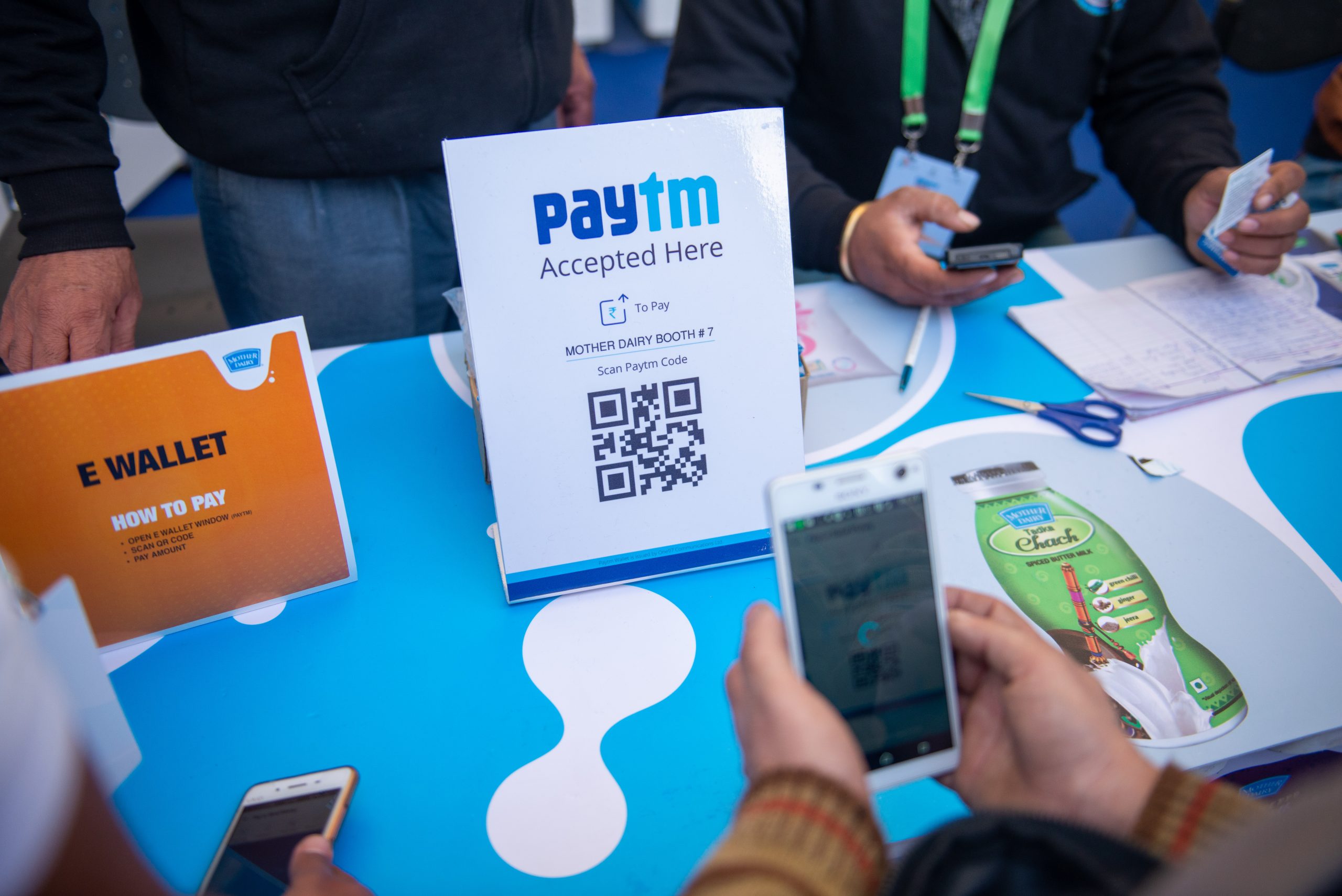
Paytm Reports 45% Surge in Q1 UPI Transaction Value Driven by AI Integration and App Redesign
Paytm has achieved a significant milestone in the first quarter, reporting a 45% increase in its Unified Payments Interface (UPI) transaction value. This growth is primarily attributed to the company's strategic implementation of artificial intelligence (AI) and a comprehensive redesign of its mobile application. Founder and CEO Vijay Shekhar Sharma has signaled a major shift in the company's operational philosophy, moving away from the aggressive promotion of individual financial products. Instead, Paytm is now focusing on enhancing the overall app experience and improving user retention. This strategic pivot suggests that the fintech giant is prioritizing long-term ecosystem health and user satisfaction as the primary engines for transaction growth in the increasingly competitive Indian digital payments market.
Key Takeaways
- Significant Growth: Paytm's UPI transaction value saw a substantial 45% year-on-year increase during the first quarter.
- Technological Catalysts: The surge in transaction value is directly linked to the integration of artificial intelligence and a major redesign of the user interface.
- Strategic Pivot: CEO Vijay Shekhar Sharma has officially shifted the company's focus toward user experience and retention over the direct pushing of financial products.
- Retention-First Model: The company is prioritizing long-term user engagement as a more sustainable growth path than individual product sales.
In-Depth Analysis
The Impact of AI and Redesign on Transaction Velocity
The reported 45% jump in UPI transaction value highlights a successful technical transition for Paytm. By leveraging artificial intelligence, the platform has likely optimized the payment flow, making transactions more seamless for the end-user. AI in the context of UPI often involves predictive modeling to reduce transaction failures and personalized interfaces that surface the most relevant payment options to the user.
Complementing the AI integration is the comprehensive app redesign. In the fintech sector, user interface (UI) and user experience (UX) are critical factors in determining transaction frequency. A redesign that simplifies the navigation and reduces the number of steps required to complete a UPI payment can lead to a direct increase in transaction volume. The 45% growth figure serves as a quantitative validation of these design and technical choices, suggesting that users are finding the platform more intuitive and efficient for their daily financial needs.
Strategic Shift: Experience Over Product Pushing
Perhaps the most significant revelation from the recent update is the change in leadership philosophy articulated by Founder and CEO Vijay Shekhar Sharma. For years, many fintech platforms have focused on 'cross-selling'—the practice of pushing various financial products like loans, insurance, or investment tools to their existing payment user base. However, Sharma has indicated that Paytm is now prioritizing the 'app experience' and 'retention' above these individual product pushes.
This shift suggests a maturation of the Paytm ecosystem. By focusing on retention, the company is aiming to become an indispensable part of the user's daily digital life. High retention rates typically lead to lower customer acquisition costs and a higher lifetime value per user. When users stay on the platform because they enjoy the experience, they are naturally more likely to explore other services over time without the need for aggressive marketing. This 'experience-first' approach marks a departure from the high-pressure sales tactics often seen in the early stages of fintech growth, focusing instead on building a loyal and active user base that drives transaction value organically.
Industry Impact
Paytm's performance and strategic pivot have several implications for the broader fintech and AI industries. First, the 45% growth in UPI value demonstrates that even in a mature market, significant gains can be made through technical optimization and design thinking. This may prompt competitors to reinvest in their own AI capabilities and user interfaces to keep pace with Paytm's efficiency gains.
Second, the move away from 'pushing' products toward 'retaining' users could signal a trend in the Indian fintech landscape. As the market becomes saturated, the battle for the consumer is shifting from who can offer the most products to who can provide the most seamless and reliable experience. Paytm’s focus on retention over individual product sales may become a blueprint for other platforms looking to stabilize their user base in a volatile economic environment. Furthermore, the successful use of AI to drive a 45% increase in transaction value underscores the growing necessity of machine learning in managing large-scale payment infrastructures.
Frequently Asked Questions
Question: What were the main reasons for the 45% increase in Paytm's UPI value?
According to CEO Vijay Shekhar Sharma, the growth was driven by the integration of artificial intelligence (AI) and a significant redesign of the Paytm application, both of which improved the user experience.
Question: How is Paytm's business strategy changing?
Paytm is shifting its focus away from aggressively pushing individual financial products to users. Instead, the company is prioritizing the overall app experience and long-term user retention as its primary goals.
Question: Who is leading this new strategic direction at Paytm?
The strategy is being led by Founder and CEO Vijay Shekhar Sharma, who emphasized the importance of prioritizing the platform's experience over individual product sales.
