
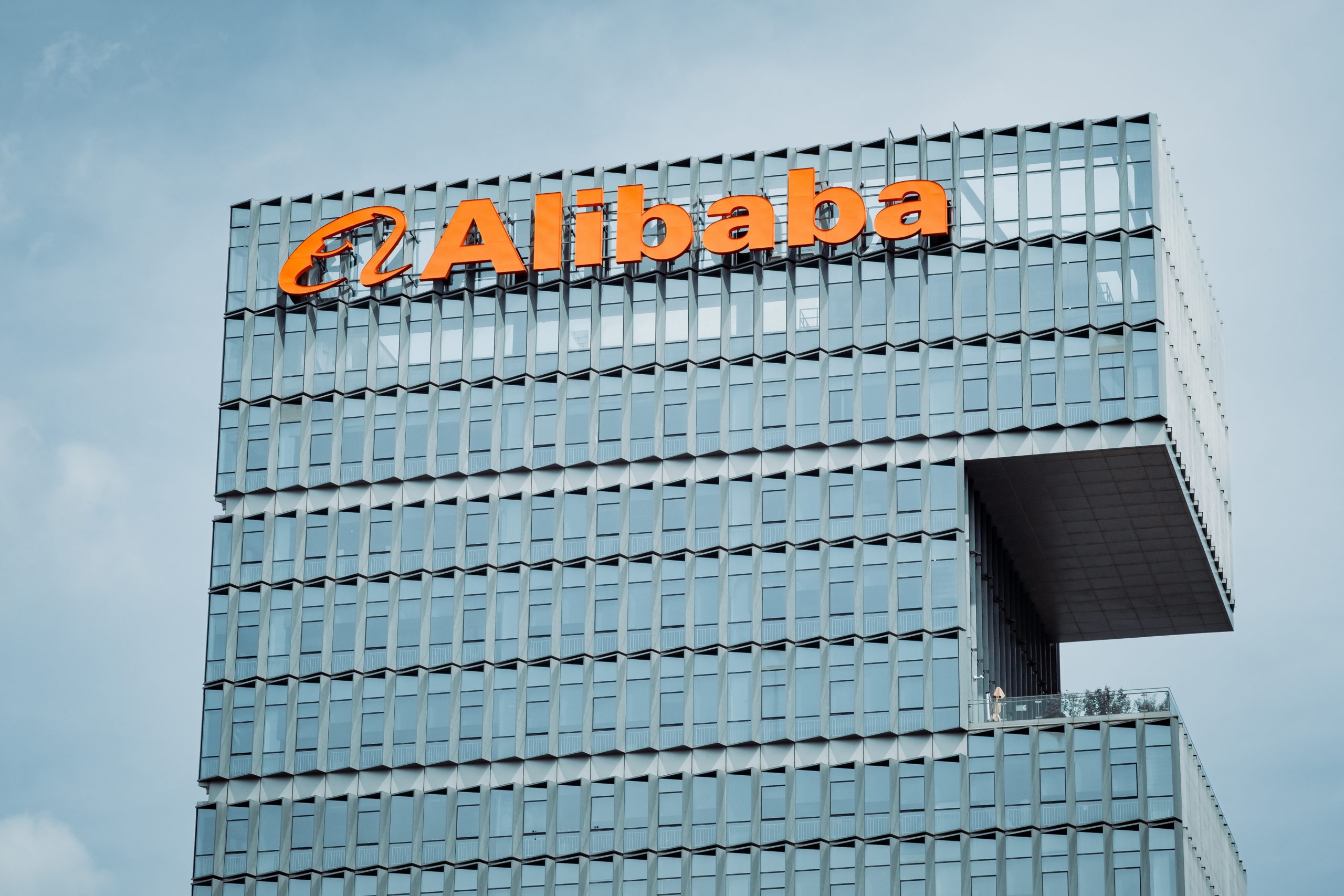
Alibaba Q2 Revenue Grows 9% as AI Cloud and Compute Services Surge by 45 Percent
Alibaba Group has reported a 9% year-on-year increase in total revenue for the second quarter of 2026, a growth trend significantly bolstered by the performance of its cloud division. According to the latest financial data, revenue from Alibaba's AI cloud and compute services experienced a substantial 45% surge, reaching 48.4 billion yuan (approximately US$7.2 billion). This sharp increase in the cloud segment highlights a robust and growing demand for artificial intelligence infrastructure and high-performance computing capabilities. The results underscore a strategic shift in Alibaba's revenue composition, where AI-driven services are becoming a primary engine for the company's overall financial expansion. The data reflects the broader industry trend of increasing investment in AI technologies and the essential role of cloud providers in facilitating this technological transition.
Key Takeaways
- Overall Revenue Growth: Alibaba reported a 9% increase in total revenue for the second quarter of 2026.
- AI Cloud Performance: Revenue specifically from AI cloud and compute services saw a massive 45% year-on-year growth.
- Financial Milestone: The AI cloud and compute services division generated 48.4 billion yuan, equivalent to roughly US$7.2 billion.
- Growth Driver: The surge in AI demand is identified as a critical factor in Alibaba's revenue trajectory for the quarter.
In-Depth Analysis
The Dominance of AI Cloud Services
The most striking figure in Alibaba's Q2 2026 financial report is the 45% growth in AI cloud and compute services. While the company's total revenue grew by a steady 9%, the cloud segment's performance suggests it is significantly outpacing other business units within the Alibaba ecosystem. This 45% jump indicates that the market for artificial intelligence infrastructure is not merely growing but accelerating.
Generating 48.4 billion yuan (US$7.2 billion) in a single quarter from AI cloud and compute services alone places Alibaba in a strong position within the global technology landscape. This revenue level demonstrates that the company has successfully converted the theoretical demand for AI into a tangible, high-value revenue stream. The scale of this growth suggests that enterprise clients are increasingly relying on Alibaba's compute capabilities to power their own AI models and digital transformations. The transition from traditional cloud storage to specialized AI compute services appears to be the primary catalyst for this financial success.
Revenue Composition and Strategic Pivot
Analyzing the 9% overall revenue rise in conjunction with the 45% cloud growth reveals a strategic pivot in Alibaba's business model. The disparity between the total growth rate and the cloud-specific growth rate implies that AI and compute services are contributing a larger share to the company's bottom line than in previous years.
At 48.4 billion yuan, the cloud division is no longer a secondary project but a core pillar of Alibaba's financial health. This shift is significant because it moves the company's center of gravity from its traditional e-commerce roots toward a more infrastructure-heavy, technology-driven model. The ability to maintain a 9% total growth rate while one specific sector grows at five times that speed suggests that Alibaba is successfully navigating a period of internal transition, leveraging the global AI boom to offset slower growth in other areas of its business. The US$7.2 billion figure serves as a benchmark for the scale of AI infrastructure investment currently taking place in the region.
Industry Impact
The performance of Alibaba's AI cloud division has significant implications for the broader technology industry. A 45% growth rate in compute services signals to the market that the demand for AI processing power remains insatiable. This will likely lead to increased competition among cloud providers to offer more specialized AI hardware and software solutions.
Furthermore, Alibaba's success in this area validates the massive capital expenditures that tech giants have been making in data centers and specialized AI chips. When a major player reports a revenue surge of this magnitude, it often serves as a bellwether for the health of the entire AI ecosystem. It suggests that the "AI hype" is translating into actual enterprise spending, particularly in the cloud sector. For the industry at large, Alibaba's results reinforce the idea that cloud computing and artificial intelligence are now inextricably linked, with the former serving as the essential delivery mechanism for the latter.
Frequently Asked Questions
Question: What was the specific growth rate for Alibaba's AI cloud services in Q2 2026?
Answer: Revenue from Alibaba's AI cloud and compute services rose by 45% during the second quarter, significantly higher than the company's overall revenue growth of 9%.
Question: How much revenue did the AI cloud and compute segment generate?
Answer: The segment generated 48.4 billion yuan, which is approximately US$7.2 billion, highlighting its role as a major financial contributor to the company.
Question: What does this growth indicate about the current tech market?
Answer: The 45% surge indicates a very high demand for AI-related infrastructure and compute power, suggesting that businesses are heavily investing in AI capabilities and relying on cloud providers to supply the necessary resources.
