Impact of ChatGPT and Critical-Thinking Training on University Student Performance and Originality: A Comprehensive Study Analysis
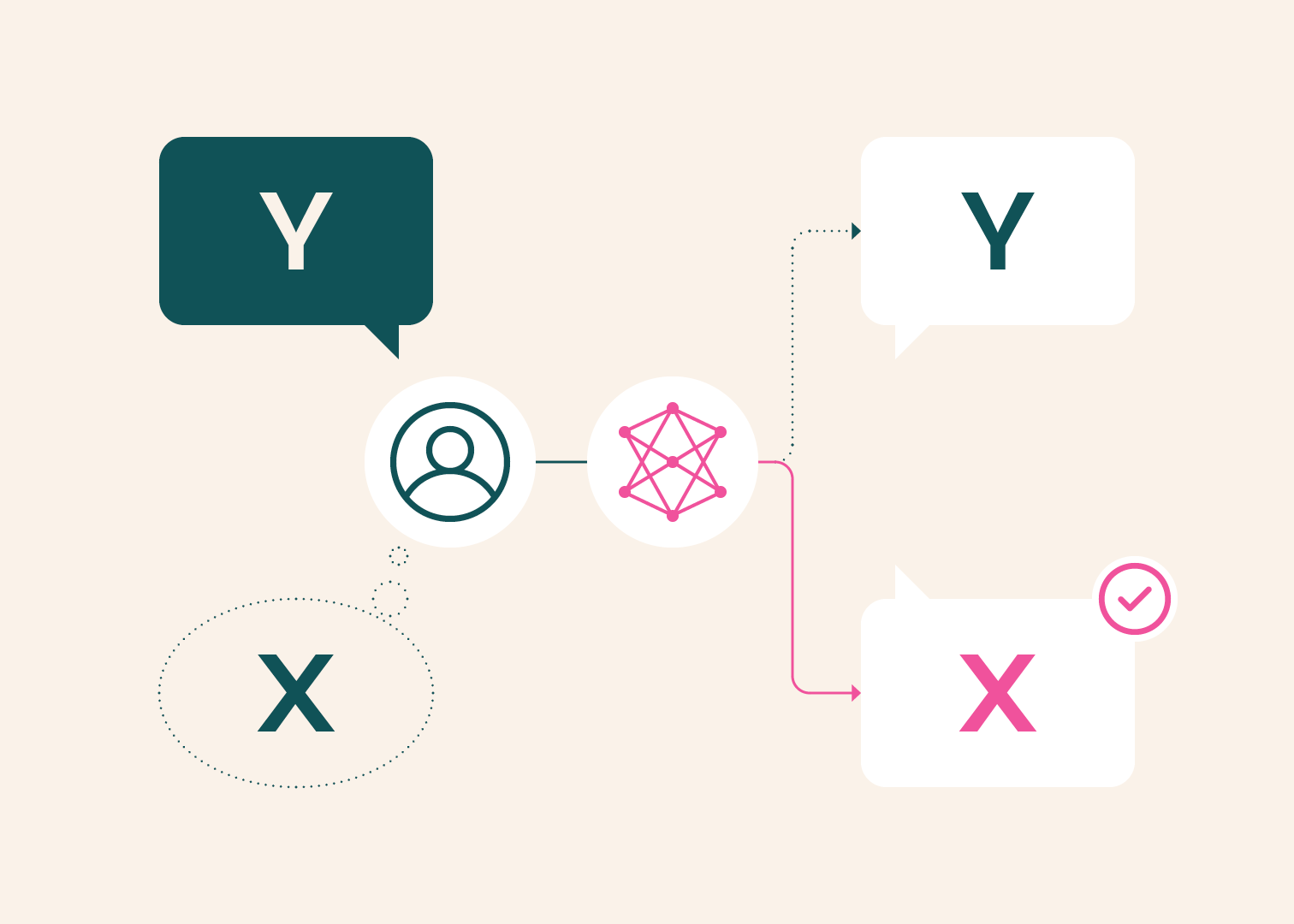
A significant randomized study involving over 1,000 university students has been conducted to evaluate the intersection of ChatGPT usage and critical-thinking training. The research focuses on how these elements influence student performance, the quality of their answers, and the breadth of their thinking during real-world academic assignments. By examining key metrics such as originality and overall academic achievement, the study aims to provide data-driven insights into the role of generative AI in higher education. This analysis explores the scope of the research and its focus on determining whether AI tools, when paired with specific cognitive training, can enhance the learning process without compromising the integrity and uniqueness of student work.
Key Takeaways
- Large-Scale Research: The study utilizes a randomized methodology involving a sample size of more than 1,000 students.
- Core Variables: The research specifically examines the relationship between ChatGPT usage, critical-thinking training, and student outcomes.
- Academic Metrics: Key performance indicators include the quality of answers, the breadth of student thinking, and the level of originality.
- Real-World Application: The study is based on performance within actual university assignments rather than theoretical or laboratory-based tasks.
In-Depth Analysis
Methodological Rigor in AI Education Research
The study highlighted by the OpenAI Blog represents a significant step toward understanding the practical implications of generative AI in academia through its use of a randomized controlled framework. By involving more than 1,000 students, the research provides a substantial data set that allows for a robust examination of how ChatGPT interacts with traditional learning processes. The choice of a randomized study is particularly noteworthy, as it aims to isolate the effects of AI usage and critical-thinking training from other external variables. This approach is essential for determining whether the observed changes in student performance and thinking patterns are directly attributable to the intervention of AI tools and specific cognitive training modules.
The Synergy of AI and Critical Thinking
A central focus of this research is the interplay between ChatGPT and critical-thinking training. Rather than viewing AI as a standalone tool, the study examines how it functions when students are also equipped with the skills to analyze and evaluate information critically. The objective is to see if this combination leads to "better answers" and "broader thinking." This suggests an interest in whether AI can serve as a cognitive scaffold that, when used correctly, enhances a student's ability to explore complex topics more deeply. The study's focus on "broader thinking" implies an investigation into whether AI helps students consider multiple perspectives or more comprehensive solutions to the problems presented in their university assignments.
Evaluating Originality and Performance
One of the most critical aspects of the study is its focus on originality and performance on real-world university assignments. As generative AI becomes more prevalent, concerns regarding the authenticity and uniqueness of student work have moved to the forefront of educational discourse. This study directly addresses these concerns by examining how the use of ChatGPT affects the originality of the content produced by students. By testing these variables in the context of actual university assignments, the research moves beyond abstract speculation and provides a look at how AI tools impact the standard requirements of higher education. The goal is to understand the balance between the efficiency provided by AI and the creative, independent thought required for academic success.
Industry Impact
The implications of this study for the AI and education industries are profound. As educational institutions grapple with the integration of generative AI, data-driven research involving large student populations provides a necessary foundation for policy-making and curriculum design. The focus on critical-thinking training suggests that the future of AI in education may not just be about the tools themselves, but about the pedagogical frameworks that support their use. If the study demonstrates that critical-thinking training is a vital component of effective AI usage, it could lead to a shift in how digital literacy is taught globally. Furthermore, the emphasis on originality and real-world performance will likely influence the development of future AI features aimed at supporting academic integrity and deeper learning.
Frequently Asked Questions
Question: What was the scale and methodology of the study?
The study was a randomized trial involving more than 1,000 students, designed to provide a statistically significant look at the impact of AI in an educational setting.
Question: What specific student outcomes were examined in this research?
The research focused on several key areas: the quality of answers provided by students, the breadth of their thinking, the originality of their work, and their overall performance on real-world university assignments.
Question: How does the study address the role of critical thinking?
The study specifically examines the impact of "critical-thinking training" in conjunction with ChatGPT, exploring how this training influences the way students utilize AI tools for their academic work.