
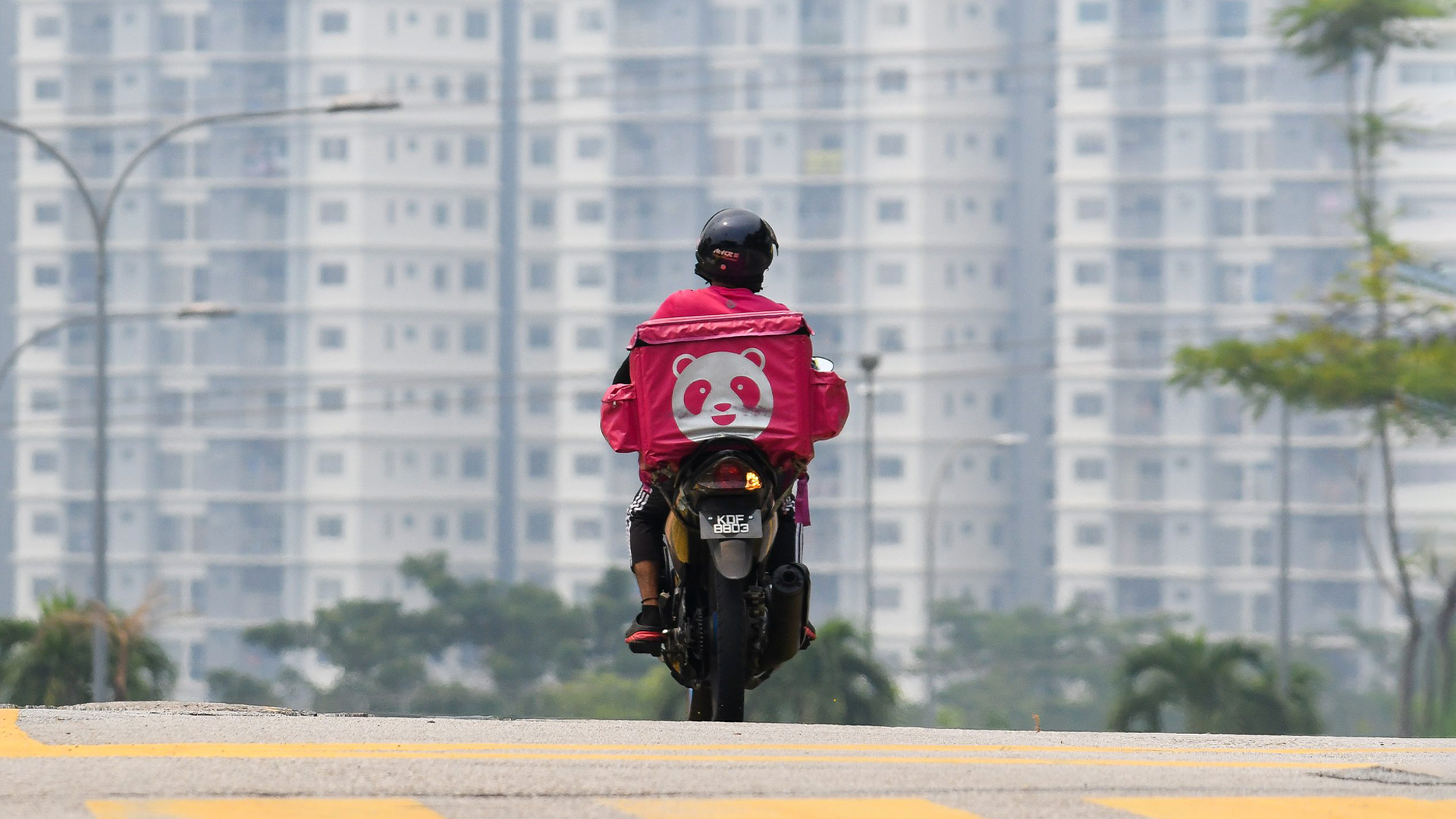
Foodpanda Deploys Toku AI Contact Center to Power Inbound and Outbound Agency Calls in Cambodia and Laos
Food delivery leader Foodpanda has rolled out Toku’s artificial intelligence contact center platform across its agency operations in Cambodia and Laos. The strategic implementation is designed to manage both inbound and outbound voice communications handled by customer support agents in these two Southeast Asian markets. By integrating Toku’s AI-powered contact center technology into its customer service agency workflows, Foodpanda aims to enhance call management reliability, streamline agent-assisted communication, and bolster operational support. This deployment highlights Foodpanda’s ongoing operational commitment to leveraging advanced artificial intelligence communication infrastructure to support on-demand service interactions across emerging regional territories, ensuring efficient coordination between customer service representatives and the wider delivery marketplace in Cambodia and Laos.
Key Takeaways
- Regional AI Deployment: Foodpanda has officially deployed Toku’s AI contact center platform to support its customer service operations in Cambodia and Laos.
- Full-Spectrum Voice Support: The AI-powered system manages both inbound inquiries and outbound calls processed by agency customer service representatives.
- Agency Workforce Integration: The technology is integrated directly into the daily workflows of agents working at Foodpanda’s designated agency in both operational markets.
- Targeted Geographic Expansion: This deployment focuses on strengthening communication infrastructure within emerging Southeast Asian markets where delivery logistics require dependable voice handling.
In-Depth Analysis
Strategic Implementation of Toku’s AI Contact Center Platform
Food delivery enterprise Foodpanda has expanded its operational technology stack through the deployment of Toku’s AI contact center platform across Cambodia and Laos. In fast-paced on-demand food and grocery delivery ecosystems, communication infrastructure serves as the critical bridge connecting consumers, rider fleets, and vendor partners. By selecting Toku—a recognized provider of enterprise-grade customer experience and cloud communication solutions—Foodpanda is introducing artificial intelligence into its voice-based support workflows in these two Southeast Asian nations.
The deployment specifically equips agents at Foodpanda’s agency with modernized software tools capable of orchestrating telephonic traffic. As on-demand marketplaces scale in developing digital economies, managing contact center operations via conventional, siloed systems often leads to operational friction. Implementing Toku’s AI-driven contact center technology enables Foodpanda to centralize and automate essential elements of call handling, establishing a standardized technological foundation across its agency workforce in both Phnom Penh and Vientiane.
Operational Mechanics: Managing Inbound and Outbound Voice Workflows
A pivotal feature of the deployment is the platform’s capacity to handle both inbound and outbound voice communications. Contact centers in the quick-commerce and delivery domains encounter varied call drivers that demand flexible telecommunication architecture:
- Inbound Call Handling: Inbound interactions typically involve active orders requiring urgent attention, ranging from customer delivery inquiries and address verifications to order modifications. The AI-driven contact center platform provides the structural backline needed for agency agents to receive, route, and resolve these incoming interactions with reduced latency.
- Outbound Call Execution: Outbound calling remains indispensable for rapid order verification, incident escalation, rider coordination, and vendor outreach. With Toku’s platform powering outbound operations, agents can initiate calls seamlessly within an integrated communications environment.
By uniting both inbound and outbound streams on a single AI-powered interface, Foodpanda’s partner agency eliminates the technical fragmentation that frequently hampers outsourced customer support teams. Agency agents obtain a consolidated operational environment, facilitating faster response times and more reliable service level attainment across day-to-day delivery operations.
Strengthening Operations in Cambodia and Laos
The choice of Cambodia and Laos underscores Foodpanda’s focus on solidifying operational consistency across emerging frontier markets. While high-density metropolitan centers in Southeast Asia have long benefited from advanced AI-assisted support infrastructure, smaller or emerging territories frequently encounter infrastructural and operational complexities. By deploying Toku’s AI contact center solution in Cambodia and Laos, Foodpanda ensures that agency operations in these regions operate on modern contact center infrastructure comparable to more established digital markets.
Furthermore, routing voice communications through an agency model supported by enterprise AI tools allows Foodpanda to balance cost efficiency with service standards. The software platform assists outsourced agents in managing routine calling workflows, thereby lowering operational overhead while maintaining the responsiveness required by on-demand service platforms.
Industry Impact
The adoption of Toku’s AI contact center by Foodpanda signals broader evolutionary trends within the customer experience (CX) and enterprise AI sectors across Asia-Pacific:
- Acceleration of AI Contact Center Adoption: Specialized cloud communication and AI platforms are increasingly displacing legacy telephony systems in consumer-facing digital industries. Food delivery and quick-commerce companies are prioritizing AI-enabled voice platforms that deliver agility, uptime, and seamless integration.
- Empowerment of BPO and Agency Workforces: Rather than functioning strictly as autonomous voicebots, modern AI contact center platforms are heavily deployed to enhance human-in-the-loop workflows. In this deployment, Toku’s architecture supports human agency representatives, illustrating how AI tools act as operational force multipliers for outsourced support personnel.
- Modernization of Frontier Market Digital Services: Deploying advanced contact center AI in Cambodia and Laos demonstrates that modern enterprise software is no longer restricted to tier-one global markets. Technology leaders are standardizing their platform architecture across all operating territories to guarantee brand consistency and operational resilience.
Frequently Asked Questions
What platform did Foodpanda deploy for its contact center operations in Cambodia and Laos?
Foodpanda deployed the AI-powered contact center platform developed by Singapore-headquartered customer experience and cloud communications firm Toku.
What types of calls does the Toku contact center platform support for Foodpanda?
The platform is configured to support both inbound calls from customers, vendors, or partners and outbound calls conducted by agents at Foodpanda’s customer service agency.
Who operates the Toku AI contact center system under this deployment?
The system is utilized by customer support agents operating within Foodpanda’s agency in Cambodia and Laos to manage voice communication workflows across both markets.


