
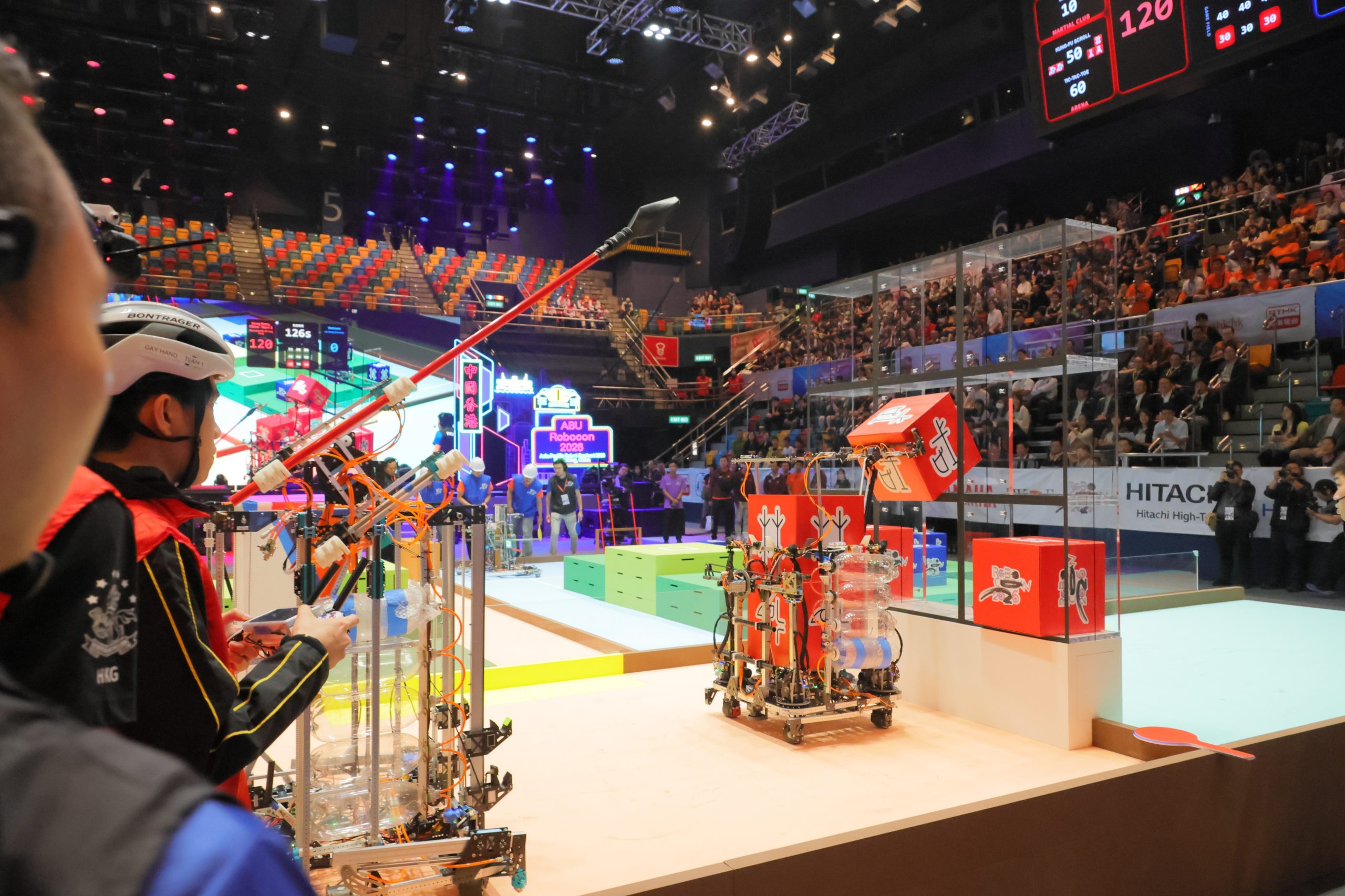
People Maketh Robots: Inside Asia's Accelerating Race for Engineering Talent Behind Robocon Competitions
In a recent report published by Tech in Asia, author Lilian Tang highlights the critical human foundation underpinning the continent's expanding robotics sector. While public attention is frequently captured by the spectacle of competitive robot battles in events like Robocon, the underlying development reveals a much larger and more strategic contest: the race to cultivate and secure skilled engineering talent across Asia. As the phrase 'people maketh robots' suggests, technological advancement in automation and robotics is ultimately driven by the engineers who design, program, and maintain these sophisticated systems. The piece emphasizes that building Asia's robotics workforce is not merely about hardware performance, but rather hinges on addressing the intense demand for capable engineering professionals who can translate robotics competition experience into long-term industrial capability.
Key Takeaways
- The Human Core of Automation: Advancements across the robotics industry are fundamentally governed by human capital, reinforcing the central premise that people maketh robots.
- Beyond Arena Battles: While collegiate and competitive platforms like Robocon capture popular attention with dynamic robotic battles, their true significance lies in signaling a broader race for engineering talent.
- Asia's Workforce Priority: Building a robust, sustainable robotics ecosystem across Asia requires shifting focus toward training, attracting, and retaining highly skilled engineers.
- Bridging Theory and Practice: Hands-on robotics competitions serve as critical testing grounds that translate theoretical engineering disciplines into practical problem-solving capabilities.
In-Depth Analysis
Robocon as a Microcosm of Regional Talent Acquisition
Robotics competitions such as Robocon have long been recognized for their energetic demonstrations of technical ingenuity and collegiate rivalry. However, as Tech in Asia's analysis points out, the real contest is not confined to the perimeter of the competition arena. Instead, behind Robocon's robot battles lies a far more profound and consequential race: the search for high-caliber engineering talent.
In competitive robotics environments, participants must integrate multidisciplinary capabilities spanning mechanical design, embedded software, computer vision, motor control, and sensor telemetry under stringent real-time constraints. These tournament battlegrounds offer a clear preview of the precise skills needed by modern industry. As countries and enterprises across Asia seek to expand their technological footprint, the ability to identify, nurture, and recruit the individuals behind these machines has become a high-stakes endeavor.
The Foundational Philosophy: People Maketh Robots
The adage "people maketh robots" emphasizes that technological achievements in robotics do not materialize spontaneously; they are conceived, coded, calibrated, and maintained by human professionals. In an era where discussions often center on automated systems replacing labor, the original reporting redirects attention to the indispensable human workforce that must first build and sustain that automation.
Without a continuous influx of talented engineers capable of addressing hardware limitations and software complexities, regional robotics initiatives inevitably face bottlenecks. Developing sophisticated robotic platforms requires years of foundational training and iterative practical experience. By focusing on the individuals driving the technology, the analysis underscores that the strength of any regional robotics sector is directly proportional to the strength, scale, and resilience of its engineering workforce.
Scaling Asia's Engineering Capabilities
The broader imperative highlighted in the report is the structured development of Asia's technical workforce. As modern robotics increasingly integrates with advanced artificial intelligence and specialized manufacturing processes, the technical threshold required of engineers continues to rise.
Events like Robocon highlight both the potential and the urgency of cultivating young engineering talent across Asian economies. Meeting future industry demands requires transforming participation in competitive platforms into structured career pathways. For Asia to solidify its position as a global leader in robotics and automation, the primary strategic investment must remain centered on human capability and talent pipelines.
Industry Impact
The strategic focus on workforce building carries significant implications for the broader artificial intelligence and robotics ecosystem across Asia:
- Talent Pipeline Solidification: Engineering competitions are increasingly viewed by tech enterprises not merely as academic extracurriculars, but as essential recruitment pipelines for top-tier hardware and software engineers.
- Cross-Disciplinary Synergy: As robotics converges with artificial intelligence, the demand for engineers capable of integrating physical mechanics with intelligent perception systems will drive regional workforce training programs.
- Regional Competitiveness: Asia's long-term competitive advantage in advanced manufacturing and automation will be dictated by the depth of its domestic talent pool rather than simply hardware adoption rates.
Frequently Asked Questions
What is the primary thesis of the report by Tech in Asia?
The central thesis is that behind competitive spectacles like Robocon's robot battles lies a broader, more critical contest: the race to cultivate, secure, and build a dedicated engineering workforce across Asia, embodied by the concept that "people maketh robots."
Why are competitions like Robocon important for the robotics industry?
Robocon serves as a high-intensity proving ground where engineers demonstrate end-to-end technical problem-solving, teamwork, and system design, offering industry leaders a clear window into emerging engineering talent.
How does the human workforce influence the growth of robotics in Asia?
Technological innovation, hardware reliability, and intelligent software deployment all depend on human engineering expertise. Building a skilled workforce is therefore the foundational prerequisite for sustaining Asia's robotics ecosystem.


