
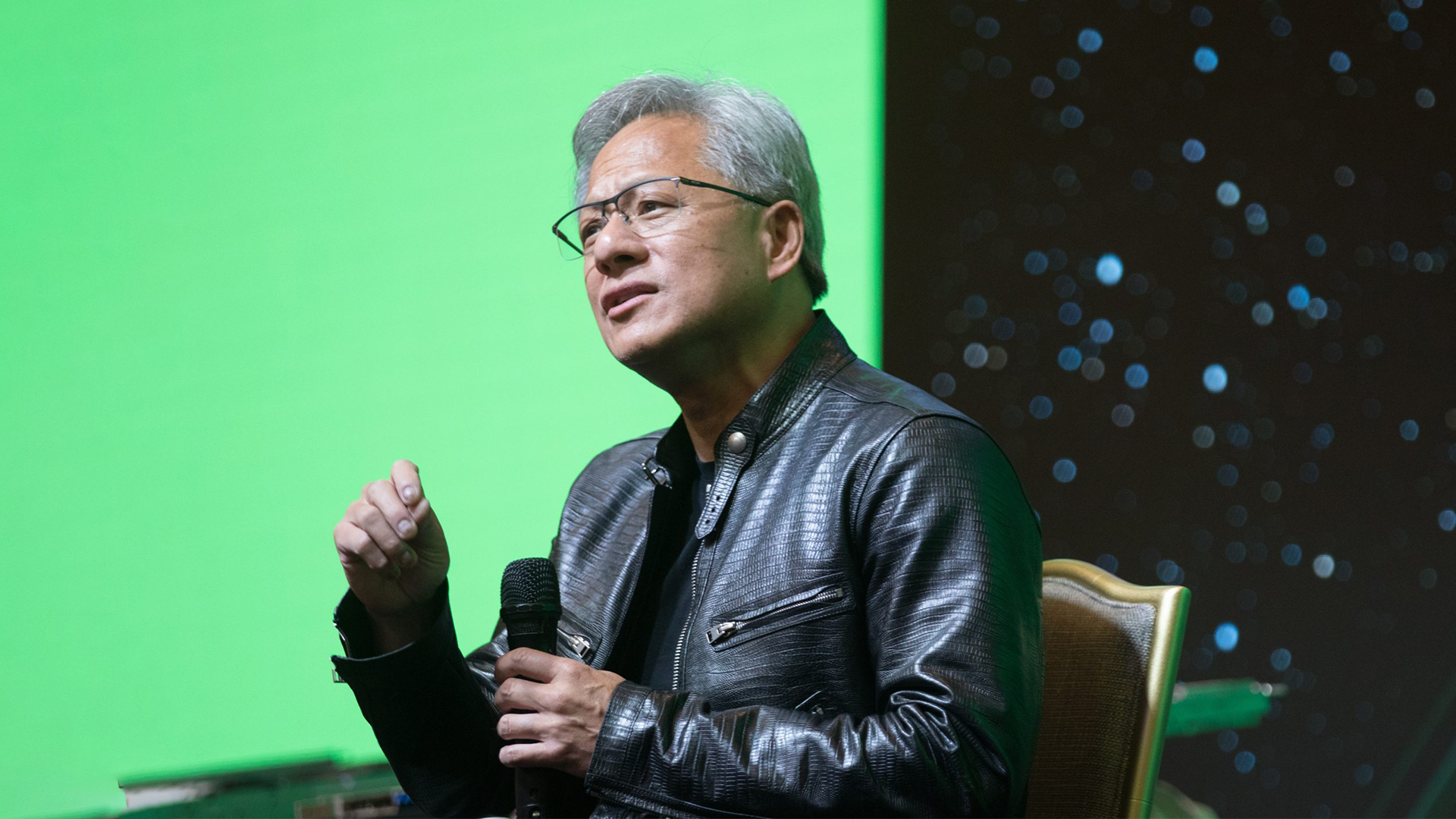
Nvidia Staff Urge Jensen Huang to Return After Resignation in Internal Discussion
Nvidia staff urged Jensen Huang to return after his resignation, Tech in Asia reported. An internal suggestion box post drew more than 1,600 comments, most of which supported his return. The figure counts comments, not individual employees, so it does not establish how many staff members voiced support. The report also does not give an exact breakdown of the responses or indicate whether the views expressed in the discussion were representative of Nvidia’s staff as a whole. The clearest finding is that support for Huang’s return was the prevailing view among comments on the post. The report does not say whether Huang responded or whether a return was planned.
Key Takeaways
- Nvidia staff urged Jensen Huang to return after his resignation, according to Tech in Asia.
- An internal suggestion box post drew more than 1,600 comments.
- Most comments supported Huang’s return, but the report does not specify how many individual employees commented.
- The report does not say whether Huang responded or whether Nvidia made any decision about his return.
In-Depth Analysis
The comment count measures activity, not individual support
The most concrete figure in Tech in Asia’s report is the number of comments: an internal suggestion box post drew more than 1,600. That establishes the volume of responses to the post, but the unit matters. The figure is a count of comments, not a count of employees, and the report does not give the number of distinct contributors. It would therefore be inaccurate to say that more than 1,600 Nvidia employees backed Huang’s return. That reading would make two claims the report does not support: that each comment came from a different person and that every comment favored his return. The source instead gives a total for the discussion and describes the prevailing view within it. Keeping those points separate preserves what makes the account notable: the post received more than 1,600 comments, and support for a return was the dominant position among those comments.
Most comments backed a return, but the margin is unknown
The report’s use of “most” identifies a majority of comments as supportive. It does not establish how large that majority was. An exact tally would distinguish a narrow majority from a much wider one, but the report supplies neither a count of supportive comments nor a percentage. It also does not describe the comments that fell outside the supportive majority. Those comments should not automatically be treated as opposition, because the source does not characterize them. What the report does establish is a clear direction within the thread: more comments supported Huang’s return than did not. That is a narrower finding than a company-wide consensus. The evidence comes from comments on one internal post, and the report does not establish how the views expressed there compare with those of Nvidia staff who did not comment.
The request and its outcome are separate questions
The headline places the staff appeal after Huang’s resignation. The accompanying account provides evidence of support for a return through the responses to the suggestion box post. It does not explain the circumstances of the resignation, identify who wrote the post, or describe how the discussion unfolded beyond the number and general direction of the comments. It also gives no response from Huang and reports no decision by Nvidia. The distinction is between a preference expressed in an internal discussion and an outcome confirmed by the people involved. The first is what the source documents; the second remains unreported. Omitting an outcome does not mean the appeal was rejected, just as a majority of supportive comments does not mean it was accepted. The account ends with the discussion itself.
Industry Impact
For readers following Nvidia and the AI industry, the report offers a view of how staff used an internal channel to express support for Huang’s return. Its significance lies in what the discussion shows about the people who commented, not in any documented change to Nvidia’s leadership or direction. The suggestion box post is the setting for the reported response; it is not described as a company-wide poll or a formal decision-making process. The comments can therefore be read as an expression of preference without treating the thread as a vote.
The same distinction sets a limit on what can be said about broader industry implications. The report does not connect the comments to any Nvidia plans, business decisions, or changes in its AI work. It also does not describe a response from other companies or from the wider industry. There is no basis in the account to attribute a business or industry outcome to the discussion. What it adds to coverage of Nvidia is more specific: after Huang’s resignation, staff expressed support for his return through an internal post whose comments were mostly favorable to that idea.
Frequently Asked Questions
How many Nvidia employees supported Jensen Huang’s return?
The report does not give a number of employees. It says the internal suggestion box post drew more than 1,600 comments and that most supported Huang’s return. The comment total and the number of individual supporters are different measures, and only the comment total is reported.
Did most Nvidia staff want Jensen Huang to come back?
Tech in Asia reports that most comments on the post supported his return. It does not say that most Nvidia employees held that view. The source provides no company-wide measure of employee opinion, so the finding applies to the comments on the post.
Did Jensen Huang agree to return after resigning?
The report does not say whether Huang agreed to return or responded to the appeal. It documents staff support in the internal discussion, not a confirmed return or a company decision.


