Back to List
Mac Mini Shortages Driven by AI Demand Lead to Significant Price Markups on eBay Listings
Industry NewsAppleArtificial IntelligenceHardware

Mac Mini Shortages Driven by AI Demand Lead to Significant Price Markups on eBay Listings

The Apple Mac mini is currently experiencing a significant supply shortage, leading to a surge in marked-up listings on secondary markets like eBay. This spike in demand is primarily driven by the device's newfound popularity among users looking to run local AI models and tools. As official stock remains sold out, the compact desktop has become a sought-after commodity for AI enthusiasts who value its performance in a small form factor. The trend highlights a shift in how consumer hardware is being repurposed for specialized artificial intelligence tasks, creating a lucrative but expensive resale market for those unable to secure the device through traditional retail channels.

TechCrunch AI

Key Takeaways

  • Apple's Mac mini is currently sold out across major retail channels.
  • Secondary market listings on eBay are seeing significant price markups due to the shortage.
  • The surge in demand is directly linked to the device's capability to run local AI models and tools.
  • The compact desktop has become a preferred choice for AI-driven workflows.

In-Depth Analysis

AI Demand Outpaces Supply

The current scarcity of the Mac mini is not merely a result of traditional supply chain fluctuations but is being driven by a specific technological trend: local AI processing. As more users seek to run AI models and tools directly on their hardware rather than relying on cloud-based services, the Mac mini has emerged as a favored platform. Its architecture appears well-suited for these intensive tasks, leading to a rapid depletion of available retail stock.

The Rise of the Resale Market

With official Apple stores and authorized retailers reporting sold-out status, the market has shifted to platforms like eBay. Sellers are capitalizing on the high demand by listing the compact desktops at prices well above their original retail value. This phenomenon reflects a broader trend where specialized hardware becomes a target for markups when it intersects with high-growth sectors like artificial intelligence.

Industry Impact

The situation underscores the growing influence of AI on the consumer electronics market. When a general-purpose computer like the Mac mini becomes a primary tool for AI enthusiasts, it shifts the product's market dynamics from a standard consumer desktop to a specialized workstation. This transition suggests that hardware manufacturers may need to account for the resource-heavy requirements of local AI tools when planning production cycles and inventory for compact computing devices.

Frequently Asked Questions

Question: Why is there a shortage of Mac minis?

The shortage is primarily driven by a surge in demand from users who want to use the compact desktop for running local AI models and tools, leading to sold-out status at major retailers.

Question: Where can I find a Mac mini if it is sold out at Apple?

Due to the current shortage, many buyers are turning to secondary markets like eBay, though these listings often feature significant price markups.

Question: What makes the Mac mini popular for AI?

The device is favored for its ability to efficiently run local AI tools and models within a compact desktop form factor.
Related News

Meituan LongCat Open-Sources General 365: A Rigorous New Benchmark for AI Reasoning Performance
Industry News

Meituan LongCat Open-Sources General 365: A Rigorous New Benchmark for AI Reasoning Performance

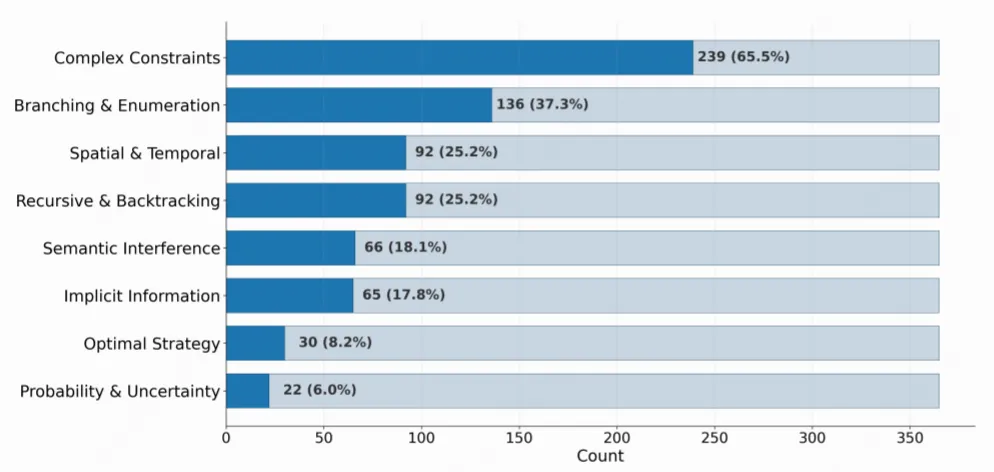
Meituan's LongCat team has officially released General 365, a new open-source benchmark designed to evaluate the reasoning capabilities of large language models (LLMs). The benchmark's debut has sent ripples through the AI community by revealing a significant performance gap in current technology. In a comprehensive test of 26 mainstream models, even the industry-leading Gemini 3 Pro managed an accuracy rate of only 62.8%. More strikingly, the vast majority of the models tested failed to reach the 60% threshold, which is typically considered a passing grade. This release by Meituan Technical Team establishes a new, more challenging standard for AI reasoning, suggesting that current models still face substantial hurdles in complex cognitive tasks.

Meituan BI Evolution: Building a Next-Generation Metric Platform and Analysis Engine for Enhanced Data Consistency
Industry News

Meituan BI Evolution: Building a Next-Generation Metric Platform and Analysis Engine for Enhanced Data Consistency

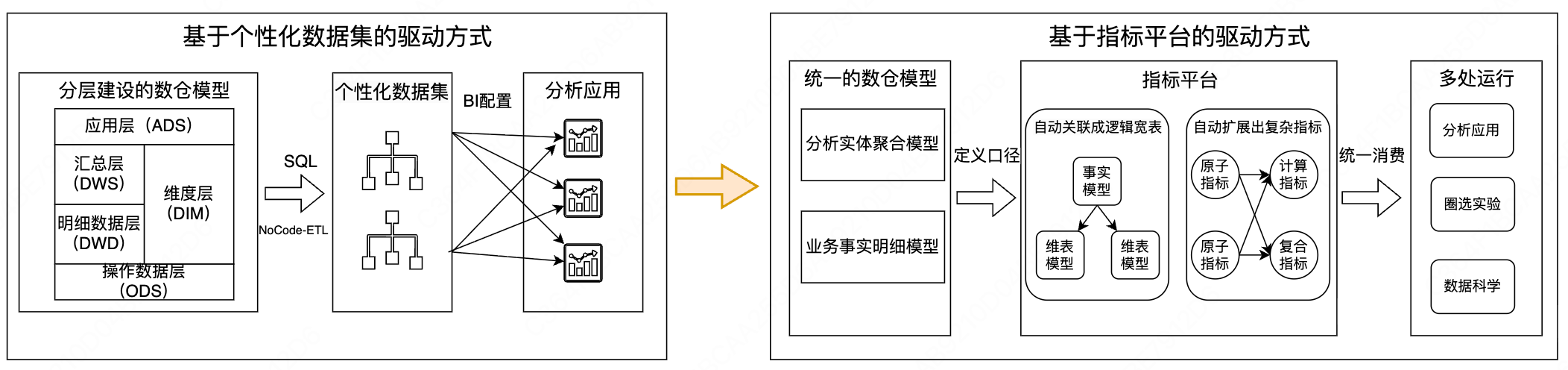
Meituan's data platform team has pioneered a new generation of Business Intelligence (BI) architecture centered on a unified Metric Platform. This strategic shift addresses critical challenges inherent in traditional BI systems, such as inconsistent data definitions (data caliber confusion) and poor query performance resulting from personalized dataset-driven models. By developing two core technical capabilities—Automatic Semantics and Enhanced Computing—Meituan has successfully streamlined its data analysis processes. This architecture ensures that business metrics remain consistent across the organization while significantly optimizing the efficiency of complex data queries. The practice represents a significant advancement in Meituan's technical infrastructure, moving toward a more centralized and performant data-driven decision-making environment.

50 Rising AI Startups in Asia: Tech in Asia Identifies the Region's Next Major Tech Leaders
Industry News

50 Rising AI Startups in Asia: Tech in Asia Identifies the Region's Next Major Tech Leaders

Tech in Asia has released a curated selection of 50 rising artificial intelligence startups across the Asian continent, marking them as high-potential ventures poised to become the "next big thing" in the global technology sector. This identification underscores a significant surge in AI innovation within the region, highlighting a diverse group of companies that are currently on an upward trajectory. The report suggests that these specific startups possess the necessary momentum and technological foundations to challenge existing market structures and lead the next wave of digital transformation. By focusing on these emerging players, the analysis points toward a maturing Asian AI ecosystem that is increasingly capable of producing world-class technology leaders.