Google Research Explores Passive Heart Health Monitoring Using Smartphone Camera Technology for Future Wellness
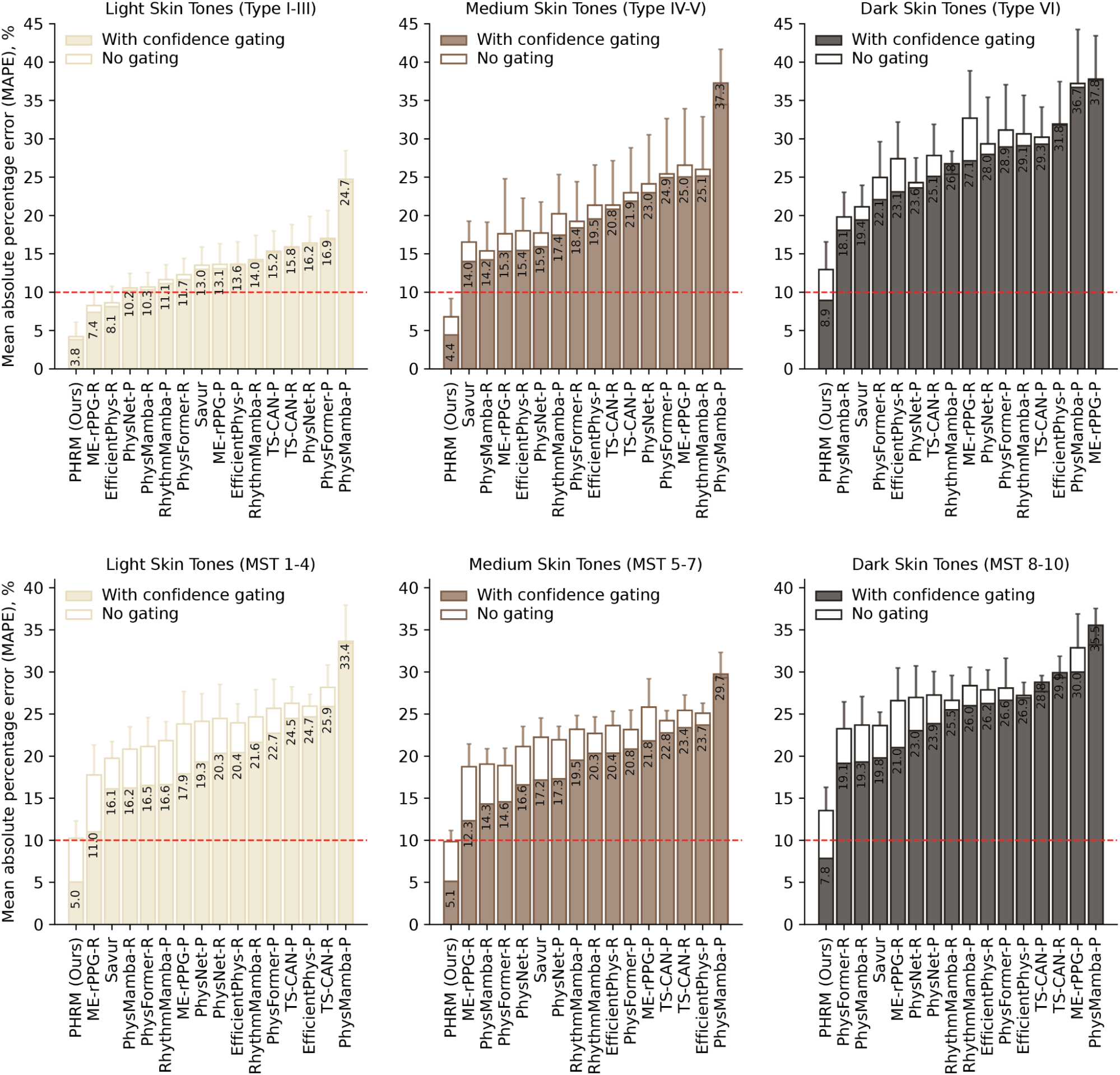
Google Research has released new insights into the development of passive heart health monitoring through smartphone cameras. Categorized under Health & Bioscience, this research focuses on the potential of using standard mobile hardware to track cardiovascular indicators without requiring active user engagement. By shifting from active measurements to a passive monitoring model, the initiative aims to make heart health tracking more seamless and integrated into daily life. This approach leverages the ubiquity of smartphone camera sensors to provide a non-invasive method for observing vital signs. The research represents a significant step in the intersection of mobile technology and bioscience, aiming to increase the accessibility of health monitoring tools for a global audience through existing consumer electronics.
Key Takeaways
- Passive Monitoring Focus: The research emphasizes a shift toward "passive" monitoring, which allows for heart health tracking without the need for specific user actions or manual input.
- Smartphone Camera Integration: The study explores how standard smartphone camera sensors can be utilized as primary tools for cardiovascular health observation.
- Health & Bioscience Advancement: This initiative is part of Google Research’s broader commitment to the Health & Bioscience sector, focusing on accessible wellness technology.
- Ubiquity and Accessibility: By using existing smartphone hardware, the research aims to lower the barriers to continuous heart health monitoring for users worldwide.
In-Depth Analysis
The Evolution Toward Passive Health Monitoring
The core of the research presented by Google Research revolves around the concept of "passive" monitoring. Traditionally, heart health tracking via mobile devices has required "active" participation—such as a user placing their finger on a sensor or initiating a specific scan at a set time. The transition toward a passive model suggests a future where health data can be gathered in the background during normal device usage. This evolution is critical for long-term health management, as it reduces the "user friction" that often leads to inconsistent data collection. By making the monitoring process passive, the technology can potentially capture a more comprehensive and natural dataset of a user's cardiovascular state over time, rather than just isolated snapshots taken during active sessions.
Leveraging Smartphone Cameras in Bioscience
The choice of the smartphone camera as the primary instrument for heart health monitoring is a strategic focus within the Health & Bioscience category. Smartphone cameras are among the most sophisticated and ubiquitous sensors available to the general public. Google Research is investigating how these optical sensors can detect subtle physiological changes related to heart function. This approach avoids the need for specialized medical-grade hardware, instead turning a common consumer device into a sophisticated health tool. The analysis of visual data captured by the camera allows for the observation of vital signs in a non-invasive manner, which is a significant milestone in making bioscience applications more practical for everyday use.
Integration into the Health & Bioscience Ecosystem
Google Research’s exploration into this field highlights the growing intersection between software-driven analysis and biological health. By categorizing this work under Health & Bioscience, the focus remains on the scientific validity and the potential biological impact of mobile-based monitoring. The research suggests that the future of heart health may not rely solely on clinical visits but on the continuous, subtle data streams provided by the devices we carry daily. This research path indicates a commitment to developing algorithms that can interpret optical data from cameras to provide meaningful health insights, potentially identifying trends that would be missed by intermittent active testing.
Industry Impact
The shift toward passive heart health monitoring via smartphone cameras has profound implications for the technology and healthcare industries. First, it democratizes access to health tools. Since smartphone cameras are standard features across all price points, this technology could provide high-quality health monitoring to populations that lack access to expensive wearable devices or frequent medical check-ups.
Furthermore, for the mobile industry, this research sets a new standard for the utility of camera hardware. It moves the camera beyond photography and social media, positioning it as a vital component of a user's personal health infrastructure. For the healthcare sector, the availability of continuous, passive data could lead to better preventative care models, allowing for earlier detection of cardiovascular issues through long-term trend analysis rather than reactive diagnostics. This research reinforces the role of AI and advanced sensor processing in transforming consumer electronics into essential health companions.
Frequently Asked Questions
Question: What is the difference between active and passive heart health monitoring?
Active monitoring requires the user to perform a specific task, such as opening an app and placing a finger on a sensor. Passive monitoring, as explored by Google Research, aims to gather health data in the background without requiring the user to change their behavior or manually initiate a measurement.
Question: Why is the smartphone camera used for heart health monitoring?
Smartphone cameras are used because they are highly advanced optical sensors that are already owned by billions of people. They are capable of detecting subtle changes that can be analyzed to monitor heart health, making them an ideal tool for accessible, non-invasive health tracking.
Question: What is the primary goal of this Google Research initiative?
The primary goal is to advance the field of Health & Bioscience by creating reliable, passive methods for monitoring heart health using existing mobile technology, thereby making cardiovascular wellness tracking more seamless and accessible to the general public.