DHL Supply Chain Expands Asia-Pacific Data Center Network Through Specialized Technical Training and Logistics Optimization
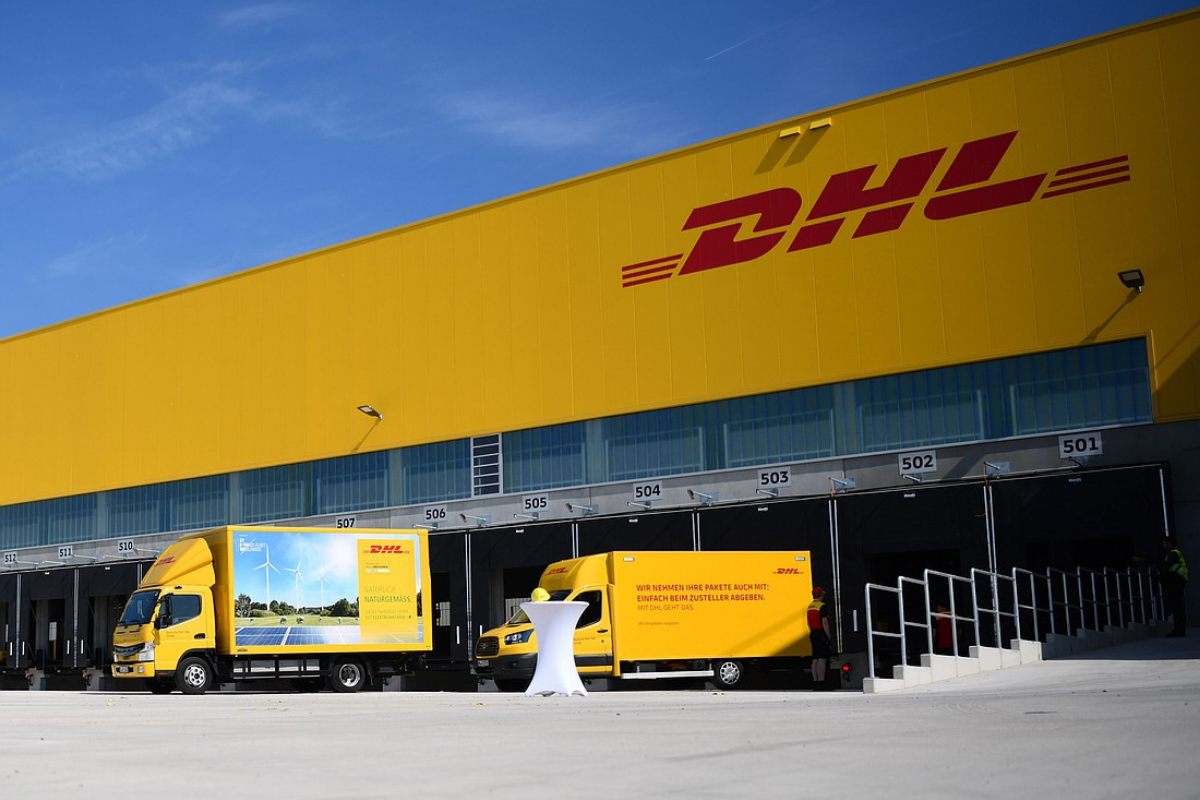
DHL Supply Chain is strategically expanding its data center network across the Asia-Pacific region, placing a significant emphasis on workforce development to meet the sector's unique demands. The company has initiated specialized training programs for its staff, focusing on critical technical skills such as rack assembly and secure packaging. These capabilities are essential for the logistics of data center infrastructure, where precision and security are paramount. By internalizing these specialized services, DHL aims to streamline the deployment of high-value hardware within the APAC region. This move highlights the growing importance of technical expertise in modern supply chain management, particularly as the demand for robust digital infrastructure continues to rise across Asian markets.
Key Takeaways
- Regional Expansion: DHL Supply Chain is actively growing its data center network footprint across the Asia-Pacific (APAC) region.
- Specialized Skill Development: The company is investing in technical training for its workforce to handle the complexities of data center logistics.
- Technical Focus Areas: Training programs specifically target rack assembly and secure packaging protocols for sensitive infrastructure.
- Strategic Positioning: By enhancing these specific logistics capabilities, DHL is positioning itself as a specialized partner for the technology and data infrastructure sectors.
In-Depth Analysis
The Strategic Importance of Specialized Training in APAC
As the digital economy in the Asia-Pacific region continues to accelerate, the infrastructure supporting this growth—primarily data centers—requires a more sophisticated logistical approach. DHL Supply Chain’s decision to expand its network in this region is accompanied by a rigorous focus on staff training. This is not merely an expansion of physical space but an expansion of service depth. By training personnel in specialized skills, DHL is addressing a critical gap in the supply chain: the transition from transport to installation.
The focus on the Asia-Pacific region is particularly noteworthy. As a hub for technological innovation and cloud service adoption, the region demands logistics providers who can do more than move boxes. The requirement for specialized skills suggests that DHL is preparing for a high-volume influx of data center hardware that requires immediate, expert handling upon arrival. This proactive approach to workforce development ensures that the expansion of the network is supported by a team capable of maintaining the high standards required by global technology firms.
Technical Logistics: Rack Assembly and Secure Packaging
Two specific areas of training highlighted in the expansion are rack assembly and secure packaging. These are not standard logistics tasks; they represent a specialized intersection of engineering and supply chain management.
Rack Assembly: In the context of a data center, rack assembly involves the precise arrangement of server hardware, power distribution units, and cooling components. Errors in assembly can lead to significant operational delays or hardware failure. By training staff in this area, DHL is moving further into the value chain, offering services that were traditionally handled by specialized IT contractors. This integration allows for a more seamless deployment process, reducing the time between the delivery of components and the activation of data center capacity.
Secure Packaging: The hardware used in data centers is both high-value and extremely fragile. Secure packaging protocols are essential to protect these assets from the vibrations, temperature fluctuations, and physical shocks inherent in international logistics. Training staff in these specialized packaging techniques is a risk-mitigation strategy. It ensures that sensitive equipment arrives at its destination in optimal condition, which is critical for maintaining the integrity of the data center network expansion. This focus on security and precision reflects the high stakes involved in the logistics of digital infrastructure.
Industry Impact
Setting New Standards for Infrastructure Logistics
DHL’s move to integrate technical assembly and specialized packaging into its logistics offering is likely to set a new benchmark for the industry. As data centers become more complex, the expectation for logistics providers to offer end-to-end technical support is increasing. This shift forces other players in the logistics sector to reconsider their service models, potentially leading to a broader trend of "technical logistics" where the boundaries between transport, assembly, and maintenance become increasingly blurred.
Supporting the APAC Digital Ecosystem
The expansion of a reliable, technically-proficient logistics network is a foundational requirement for the continued growth of the APAC digital ecosystem. By reducing the logistical friction associated with data center deployment, DHL is indirectly supporting the rapid scaling of cloud services, AI research, and digital commerce across the region. The availability of a workforce skilled in rack assembly and secure packaging means that technology companies can deploy infrastructure faster and with greater confidence in the safety of their hardware.
Frequently Asked Questions
Question: Why is DHL focusing on rack assembly training for its staff?
Rack assembly is a critical step in the setup of data centers. By training staff in this specialized skill, DHL can offer a more comprehensive service that includes the technical preparation of hardware, ensuring that server racks are correctly configured for immediate use upon delivery, thereby reducing deployment times for clients.
Question: What is the significance of secure packaging in data center logistics?
Data center components are highly sensitive and expensive. Specialized training in secure packaging ensures that these items are protected against the various risks of transit. This minimizes the potential for hardware damage, which is essential for maintaining the schedule and budget of large-scale data center expansions in the Asia-Pacific region.
Question: How does this expansion affect the Asia-Pacific region?
This expansion strengthens the regional infrastructure by providing specialized logistics support tailored to the needs of the tech industry. It ensures that as the demand for data centers grows in APAC, there is a capable logistics network in place to handle the complex technical requirements of building and maintaining these facilities.