Samsung Considers Gwangju Plant for AI Chip Packaging as 12-Layer HBM4E Shipments Begin
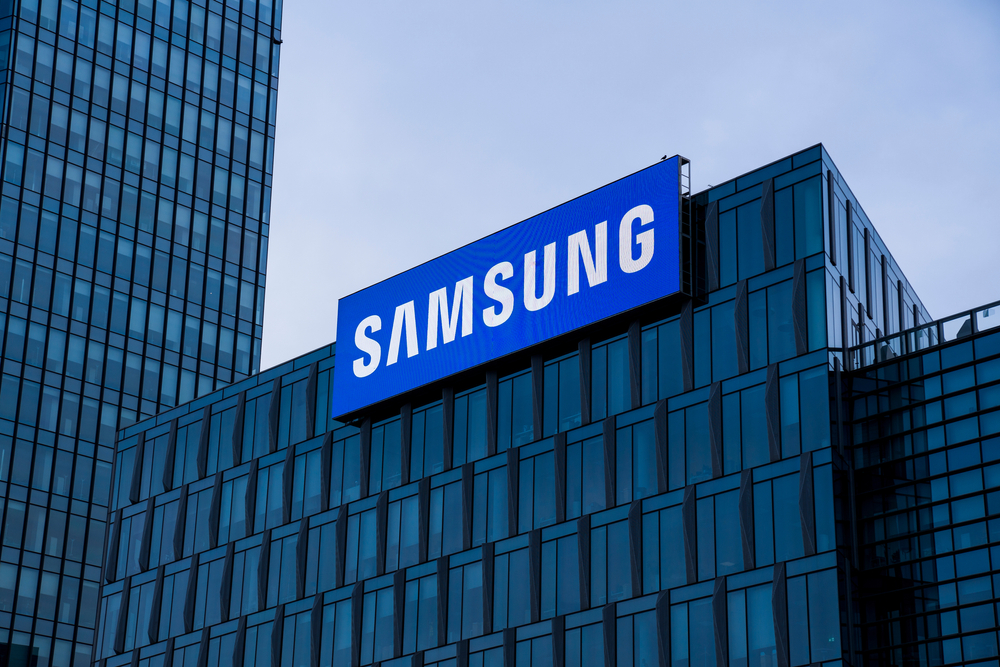
Samsung Electronics is reportedly evaluating its Gwangju facility as a potential site for AI chip packaging operations, marking a strategic expansion of its semiconductor infrastructure. This consideration coincides with a major technical milestone: the commencement of shipping samples for its 12-layer HBM4E chips. According to reports, Samsung began providing these advanced memory samples to customers in May. These developments highlight Samsung's focus on the high-performance AI hardware market, where both advanced packaging and high-bandwidth memory (HBM) are critical components. The move to 12-layer HBM4E signifies a push toward higher density and performance, essential for the next generation of AI processing and data center requirements.
Key Takeaways
- Samsung is evaluating its Gwangju facility for specialized AI chip packaging operations.
- The company has officially started the sampling phase for its 12-layer HBM4E memory.
- Customer shipments of these HBM4E samples commenced in May.
- These moves represent a strategic push into the high-performance AI hardware market.
In-Depth Analysis
Strategic Infrastructure: The Gwangju Plant Consideration
Samsung Electronics is currently looking into its Gwangju plant as a potential hub for AI chip packaging. This consideration marks a significant moment for the facility, which may transition or expand its role to support the high-demand semiconductor sector. Packaging has become a bottleneck and a point of innovation in the AI chip supply chain, as traditional methods are no longer sufficient for the complex integration required by modern AI processors. By considering the Gwangju plant, Samsung is looking at how to best utilize its domestic footprint to meet these technical challenges.
The focus on AI chip packaging at the Gwangju site suggests a move toward localized, high-tech manufacturing solutions. As AI chips become more integrated, the proximity of packaging facilities to other parts of the supply chain can offer logistical and technical advantages. This evaluation process is a clear indicator of Samsung's intent to bolster its internal capabilities in the "back-end" of semiconductor production, which is now just as vital as the "front-end" wafer fabrication. The shift toward specialized AI packaging is a response to the industry's need for more efficient thermal management and faster data transfer between memory and processors.
Technical Milestone: 12-Layer HBM4E Sampling
In a major step forward for its memory division, Samsung has begun shipping samples of its 12-layer HBM4E chips. The sampling process, which began in May, is a critical phase where customers—typically major AI chip designers and data center operators—test the memory for compatibility, performance, and reliability. The "12-layer" specification is particularly noteworthy, as it represents a high level of vertical stacking in High Bandwidth Memory (HBM).
HBM4E is an advanced iteration of memory technology designed specifically to handle the massive data throughput required by artificial intelligence. By moving to a 12-layer stack, Samsung is providing a solution that offers higher capacity and potentially higher bandwidth within the same physical footprint. This is essential for AI training and inference, where memory bottlenecks can significantly hinder performance. The start of shipments in May indicates that Samsung is moving according to its internal roadmap to compete in the high-stakes HBM market, ensuring that its customers have access to the latest density improvements in memory technology.
Industry Impact
The dual developments of exploring the Gwangju plant for packaging and the sampling of 12-layer HBM4E have broad implications for the AI industry. First, it signals that the competition in the HBM market is intensifying, with Samsung pushing the boundaries of layer counts and memory generations. This competition is beneficial for AI hardware developers who require increasingly powerful memory components to support larger large language models (LLMs) and more complex neural networks.
Second, the focus on packaging at the Gwangju plant highlights the industry-wide shift toward advanced packaging as a core competency. As traditional scaling becomes more difficult, the way chips are packaged and stacked becomes a primary driver of performance gains. Samsung’s potential investment in Gwangju for this purpose could set a precedent for how existing facilities are repurposed for the AI era, ensuring that the supply chain can keep up with the rapid pace of AI chip innovation.
Frequently Asked Questions
What is the significance of the 12-layer HBM4E samples?
The 12-layer HBM4E samples represent Samsung's latest advancement in high-density, high-speed memory. Shipping these samples allows customers to verify the technology for use in next-generation AI accelerators, providing more memory capacity in a compact stack.
When did Samsung begin shipping these new AI memory samples?
Samsung started the shipping process for its 12-layer HBM4E chip samples to customers in May, marking a key milestone in their product development timeline.
Why is Samsung considering the Gwangju plant for packaging?
Samsung is evaluating the Gwangju plant to potentially expand its AI chip packaging capabilities. This is part of a broader effort to strengthen the back-end manufacturing processes required for sophisticated AI hardware.