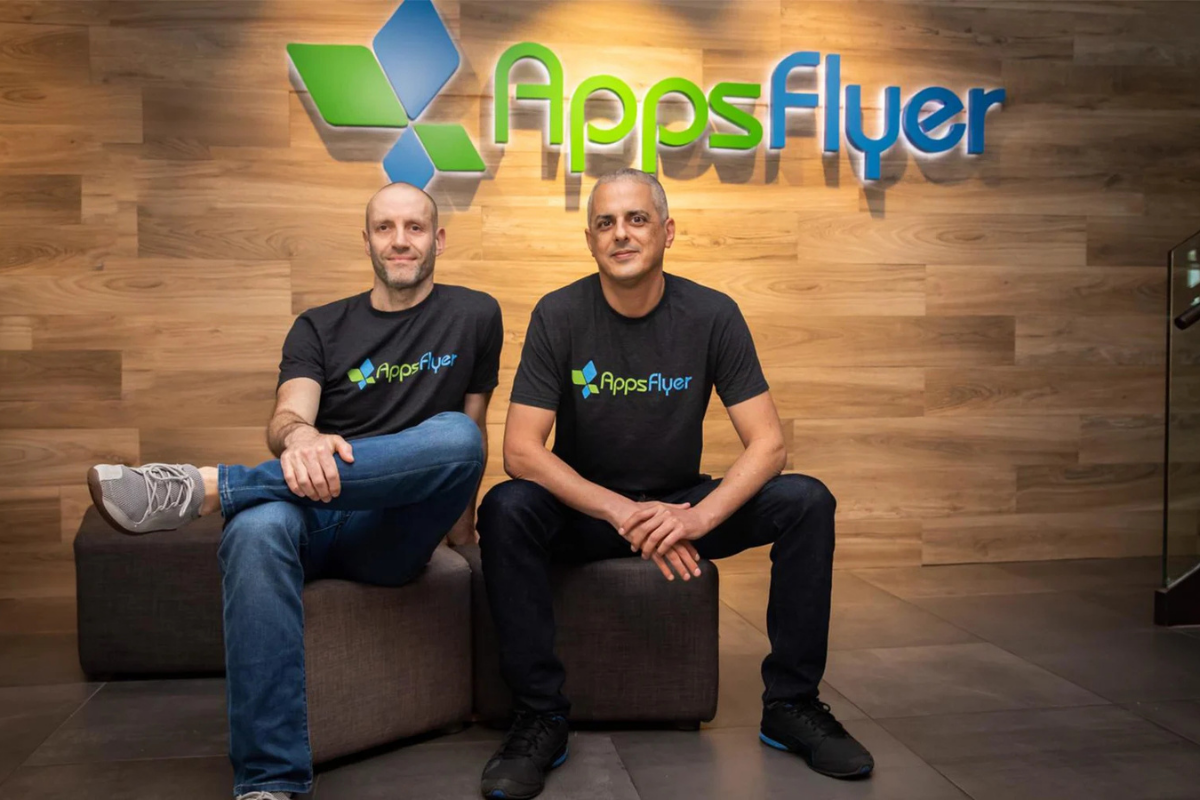
Google and Meta Participate in $1 Billion Funding Round for Israeli Tech Firm AppsFlyer
Tech giants Google and Meta have joined a significant $1 billion investment round for the Israeli-based company AppsFlyer. According to recent reports, these new investors will hold minority stakes in the company. A critical component of this investment agreement is the preservation of data integrity and platform neutrality; the terms explicitly state that Google and Meta will not receive any preferential access to AppsFlyer’s APIs or data. This move underscores a massive capital injection into the Israeli tech sector while highlighting a structured approach to investment where major industry players contribute significant capital without gaining exclusive technical advantages or data-sharing privileges over other users of the platform.
Key Takeaways
- Significant Capital Injection: AppsFlyer has secured a $1 billion funding round, marking a major financial milestone for the Israeli-based company.
- High-Profile Backing: Industry leaders Google and Meta are among the new investors participating in this substantial round.
- Minority Ownership Structure: The investment is structured such that the new participants, including Google and Meta, will hold minority stakes in the company.
- Strict Data Neutrality: The agreement explicitly prohibits preferential access to AppsFlyer’s APIs or data for the new investors, ensuring a level playing field.
- Strategic Independence: By limiting investor access to core data and APIs, the company maintains its operational independence despite the scale of the investment.
In-Depth Analysis
The Scale and Structure of the $1 Billion Investment
The announcement of a $1 billion funding round for AppsFlyer represents a monumental event in the technology investment landscape, particularly for the Israeli tech ecosystem. The involvement of both Google and Meta—two of the world's most influential technology conglomerates—indicates a high level of confidence in AppsFlyer's market position and future trajectory. However, the structure of this investment is as noteworthy as the amount itself. By taking minority stakes, Google and Meta are positioning themselves as financial backers rather than controlling entities. This allows AppsFlyer to leverage a massive influx of capital while retaining its primary corporate identity and strategic direction. The $1 billion figure suggests that the company is entering a new phase of growth, requiring significant resources that only the largest players in the global economy can provide.
Preserving Data Integrity and API Neutrality
One of the most critical aspects of this deal is the explicit clause regarding API and data access. In an era where data is a primary currency of the digital economy, the stipulation that Google and Meta will have "no preferential access" to AppsFlyer’s APIs or data is a significant detail. This provision serves to protect the trust of AppsFlyer’s existing and future client base. Because AppsFlyer operates in a space where data handling and API integration are central to its value proposition, granting exclusive or early access to major platforms like Google or Meta could potentially create a conflict of interest or a perceived bias. By codifying this neutrality into the investment agreement, AppsFlyer ensures that its platform remains an objective environment, regardless of who its shareholders are. This move reinforces the principle that investment does not automatically equate to data integration or technical favoritism.
Strategic Implications of Minority Stakes for Tech Giants
For Google and Meta, participating in a $1 billion round as minority stakeholders suggests a strategic interest in the broader health and development of the tech ecosystem in which AppsFlyer operates. Rather than seeking an acquisition or a majority share that would require regulatory scrutiny and complex integration processes, these giants have opted for a supportive role. This minority position allows them to benefit from the company's growth and success without the responsibilities of direct management. Furthermore, the agreement to forgo preferential data access demonstrates a shift toward more transparent investment models where the value is derived from the company's overall performance rather than from gaining an unfair competitive advantage through proprietary data pipelines. This approach may set a precedent for how large-scale tech investments are handled in the future, prioritizing ecosystem stability over exclusive data acquisition.
Industry Impact
The impact of this $1 billion round on the industry is twofold. First, it reaffirms the strength and global relevance of the Israeli technology sector, showing that it continues to attract top-tier international capital even at the billion-dollar level. Second, it establishes a clear boundary between investment and data privacy/neutrality. In an industry often criticized for data silos and monopolistic tendencies, the fact that two of the largest data-driven companies in the world have agreed to an investment without preferential data access is a landmark development. This could encourage other firms to seek investment from industry leaders without fearing the loss of their data independence or the alienation of their broader user base. It signals to the market that a company can be "backed" by giants without being "controlled" or "absorbed" by their data ecosystems.
Frequently Asked Questions
Question: What is the total amount of the funding round for AppsFlyer?
The total amount of the funding round is $1 billion, with participation from major investors including Google and Meta.
Question: Will Google and Meta have special access to AppsFlyer's data because of this investment?
No. The terms of the investment explicitly state that the new investors will hold minority stakes and will have no preferential access to AppsFlyer’s APIs or data.
Question: Does this investment mean Google and Meta now control AppsFlyer?
No, the investors will hold minority stakes, meaning they do not have a controlling interest in the company, and the agreement ensures the company's data and API neutrality are maintained.