Back to list
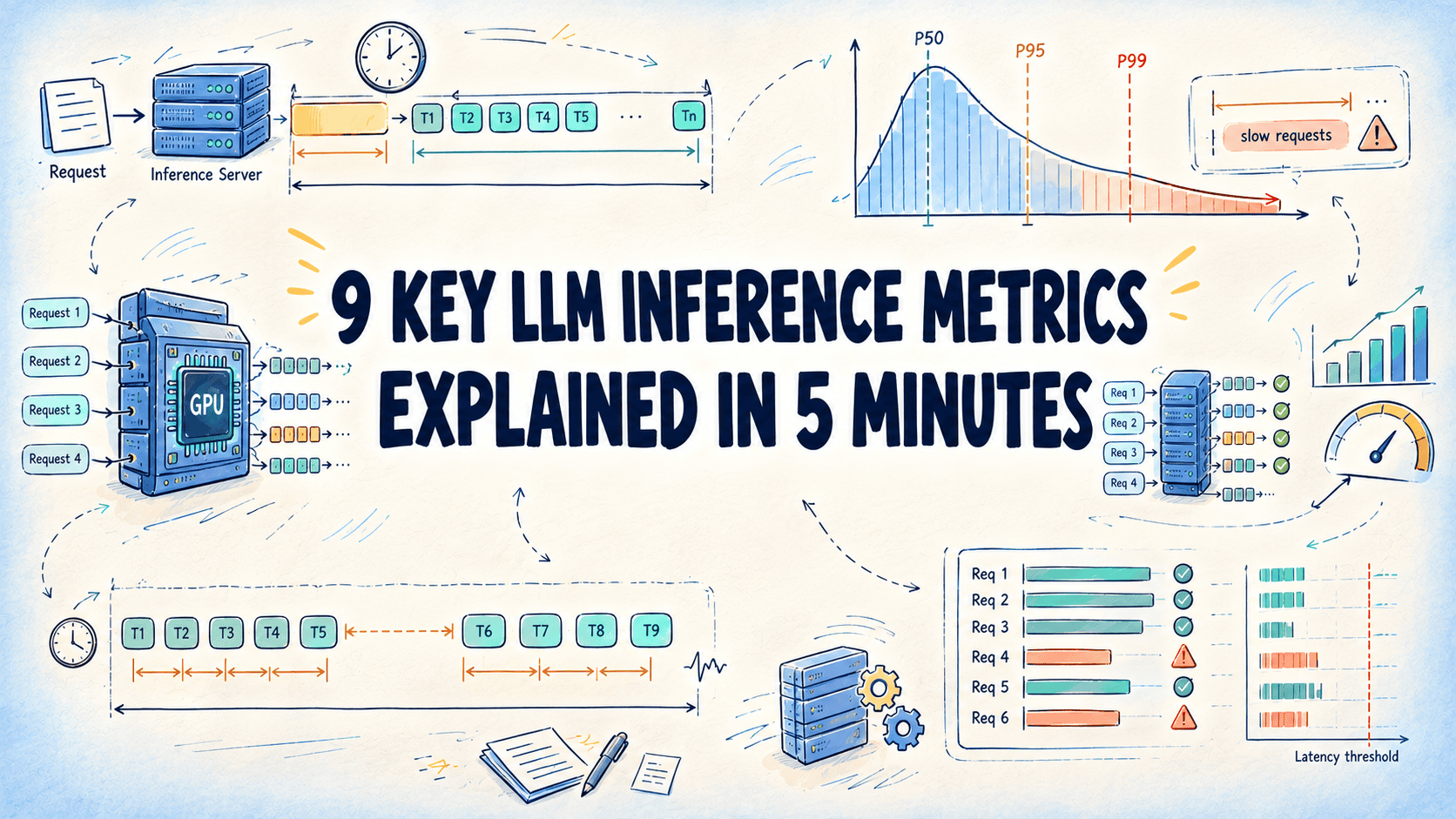
Understanding 9 Key LLM Inference Metrics for Performance and System Load Optimization
Technical TutorialLLM InferencePerformance MetricsAI Deployment

Understanding 9 Key LLM Inference Metrics for Performance and System Load Optimization

Learn how to measure Large Language Model inference performance using key metrics and formulas for latency, token generation speed, and system load. This comprehensive guide breaks down essential evaluation techniques to help developers and engineers assess and monitor LLM deployment efficiency, performance characteristics, and resource utilization in just five minutes.

KDnuggets

Key Takeaways

  • Learn how to measure LLM inference performance effectively.
  • Understand key metrics and formulas for evaluating latency.
  • Explore token generation speed measurements.
  • Analyze system load characteristics during LLM deployment.

In-Depth Analysis

Measuring Latency and Token Generation Speed

Evaluating Large Language Model inference performance requires tracking specific metrics related to latency and generation speed. The original guidance focuses on understanding how to measure these performance indicators using precise formulas. By looking at latency and token generation speed, teams can better understand the responsiveness of deployed models.

Assessing System Load and Overall Performance

In addition to speed and latency, monitoring system load is critical for understanding how an LLM handles operational demands. The core methodology involves using established metrics to quantify system performance under varying workloads, ensuring a clear view of operational efficiency.

Industry Impact

Properly measuring LLM inference performance through key metrics like latency, token generation speed, and system load has significant implications for AI deployment. It enables organizations to optimize resource utilization, evaluate operational efficiency, and maintain reliable performance standards in production environments.

Frequently Asked Questions

What are the main areas covered by the LLM inference metrics?

The metrics focus on measuring latency, token generation speed, and system load.

Why is it important to measure LLM inference performance?

It helps in understanding how well a model performs in terms of speed, responsiveness, and handling system load during deployment.

Related News

Why Coding Agent Bills Spiral and How LangChain Frames the Fix
Technical Tutorial

Why Coding Agent Bills Spiral and How LangChain Frames the Fix

In a November 19, 2026 post, LangChain addresses a problem for coding agent users: bills that rise unexpectedly and become difficult to manage. The headline uses a doubled bill to frame the issue, while the description points to three ways to bring spending under control: trace it, compare it, and govern it. The post names Claude Code, Cursor, and Copilot and presents the ability to manage spending across those tools and others in one place as its focus. The supplied excerpt does not explain what drives bills higher, describe how spending is tracked, or provide prices or savings figures. Its central point is that coding agent costs should be understood across tools, not just as a total on a bill.

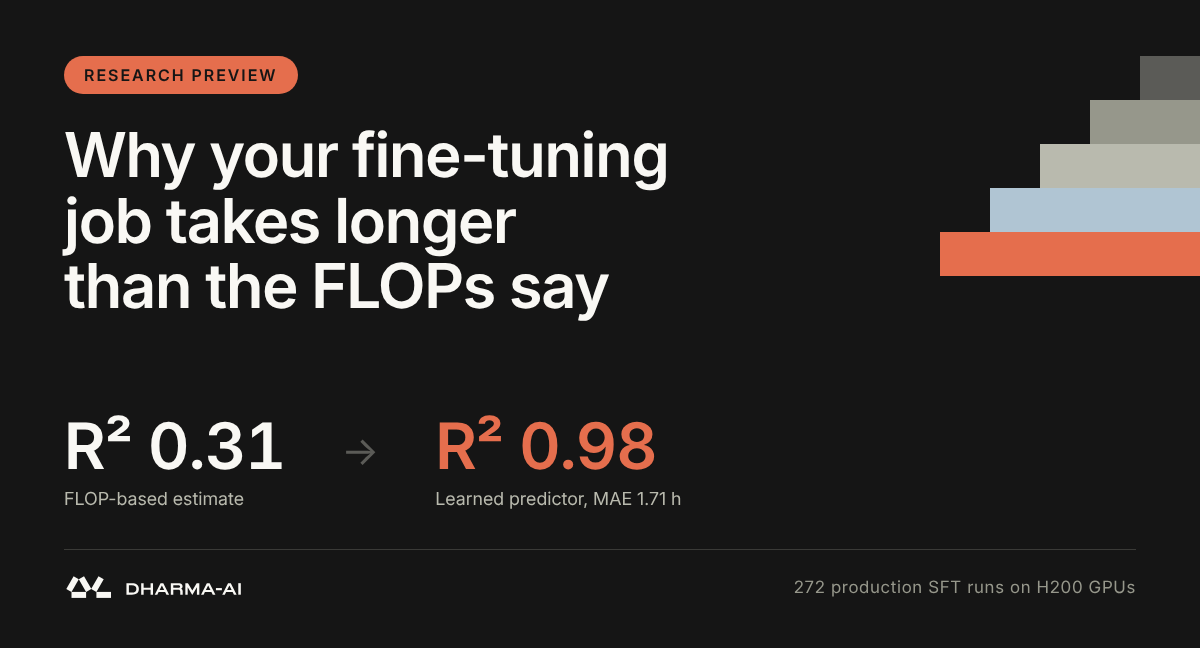
Why Fine-Tuning Jobs Take Longer Than Theoretical FLOP Calculations Predict in Practice
Technical Tutorial

Why Fine-Tuning Jobs Take Longer Than Theoretical FLOP Calculations Predict in Practice

Published on the Hugging Face Blog by Dharma-AI, the article titled 'Why your fine-tuning job takes longer than the FLOPs say' investigates the practical discrepancies between theoretical FLOP estimations and actual fine-tuning duration. In machine learning workflows, calculating expected runtime purely based on floating-point operations often overlooks real-world engineering bottlenecks and hardware constraints. This analysis examines the primary factors contributing to extended execution times in model fine-tuning and provides insights into predicting actual project runtimes more accurately without relying solely on idealized computational metrics.

How to Choose the Right Secure Sandbox for AI Agents: Isolation, Networks, and MicroVMs
Technical Tutorial

How to Choose the Right Secure Sandbox for AI Agents: Isolation, Networks, and MicroVMs

Selecting the right sandbox environment is essential for securely running autonomous AI agents. LangChain provides clear guidance on choosing a secure sandbox solution tailored to agentic workflows. Key considerations highlighted include filesystem isolation, network access governance, strict resource limits, and leveraging microVM technology. By focusing on these four foundational pillars, developers can effectively mitigate risks associated with untrusted code execution and safeguard system resources. This concise guide summarizes the primary security mechanisms needed when deploying agent environments.