LG Innotek Forecasts Growth Through AI-Driven iPhone Demand and Expanded FC-BGA Substrate Production at Gumi Plant
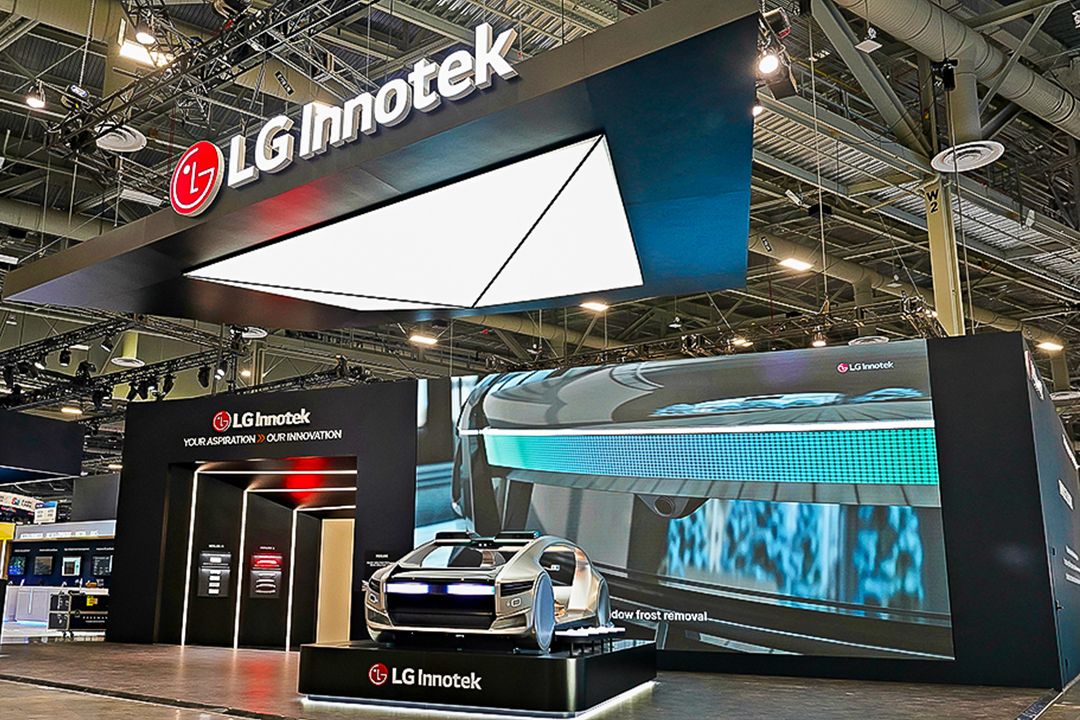
LG Innotek is strategically positioning itself to capitalize on the burgeoning demand for artificial intelligence within the smartphone sector, specifically focusing on AI-driven iPhone growth. A central element of this strategy is the company's Gumi manufacturing facility, which reached a significant milestone by commencing the mass production of Flip Chip Ball Grid Array (FC-BGA) substrates in February 2024. This move represents a critical shift in the company's production capabilities, aligning its output with the high-performance requirements of modern AI hardware. By integrating advanced substrate manufacturing with the anticipated rise in AI-capable mobile devices, LG Innotek aims to strengthen its position within the global electronics supply chain. The commencement of operations at the Gumi plant serves as a foundational step in meeting the evolving technological needs of the industry.
Key Takeaways
- LG Innotek identifies AI-driven iPhone demand as a primary catalyst for its future growth and market expansion.
- The company's Gumi manufacturing plant successfully initiated the mass production of FC-BGA substrates in February 2024.
- The shift toward AI-integrated hardware is driving the need for advanced semiconductor substrates like the FC-BGA.
- LG Innotek is aligning its manufacturing timeline and capacity to support the evolving requirements of the smartphone ecosystem.
In-Depth Analysis
The Strategic Commencement of FC-BGA Production at Gumi
The initiation of mass production at LG Innotek's Gumi plant in February 2024 marks a pivotal moment in the company's industrial timeline. The focus on Flip Chip Ball Grid Array (FC-BGA) substrates is a direct response to the increasing complexity of semiconductor packaging. As mobile devices and high-performance computing systems demand higher speeds and better thermal management, the role of the substrate becomes increasingly critical. By establishing mass production capabilities at the Gumi facility, LG Innotek has demonstrated its readiness to supply the essential components required for next-generation electronic architectures. This milestone is not merely a production achievement but a strategic alignment with the broader semiconductor industry's move toward more efficient and powerful chip integration methods.
The timing of this production launch in early 2024 suggests a calculated effort to synchronize with the product cycles of major technology partners. The Gumi plant's transition into mass production indicates that the facility has met the necessary yield and quality standards required for large-scale supply. This operational readiness is a prerequisite for participating in the high-stakes supply chains of global technology leaders, where reliability and volume are paramount. The focus on FC-BGA substrates specifically highlights LG Innotek's commitment to high-value-added components that are essential for modern processing units.
AI-Driven Growth and the iPhone Ecosystem
The title of the report underscores a significant trend: the role of artificial intelligence as a driver for iPhone growth. As AI capabilities become more deeply integrated into mobile operating systems and hardware, the underlying components must evolve to support these intensive workloads. LG Innotek's outlook suggests that the demand for iPhones—and by extension, the components that power them—will be increasingly influenced by the consumer's desire for AI-enhanced features. This shift places LG Innotek in a favorable position, as its manufacturing output, particularly from the Gumi plant, is designed to meet these advanced specifications.
The relationship between AI-driven demand and substrate production is intrinsic. AI applications require robust processing power, which in turn necessitates advanced substrates that can handle high-density interconnects and efficient power distribution. By focusing on the intersection of AI growth and the iPhone ecosystem, LG Innotek is targeting a high-growth segment of the consumer electronics market. The company's strategy appears to be built on the premise that the next wave of smartphone upgrades will be fueled by AI innovation, creating a sustained demand for the sophisticated hardware components that LG Innotek is now mass-producing.
Industry Impact
The mass production of FC-BGA substrates at the Gumi plant has broader implications for the global semiconductor and smartphone industries. First, it introduces additional capacity into the market for high-end substrates, which have historically faced supply constraints. This increased capacity is vital for the continued evolution of mobile AI, as it ensures that hardware manufacturers have access to the components necessary for sophisticated chip designs. LG Innotek's move reinforces the importance of South Korea as a hub for advanced semiconductor materials and manufacturing technology.
Furthermore, the focus on AI-driven growth signals a shift in the competitive landscape of the smartphone supply chain. Suppliers are no longer just competing on cost; they are competing on their ability to enable new technological paradigms like on-device AI. LG Innotek’s alignment with this trend suggests that the future of the industry will be defined by how well component manufacturers can support the transition to more intelligent, hardware-intensive mobile experiences. The successful ramp-up of the Gumi facility serves as a benchmark for other players in the industry, highlighting the necessity of timely infrastructure investment to meet the demands of the AI era.
Frequently Asked Questions
Question: When did LG Innotek begin mass production of FC-BGA substrates at its Gumi plant?
LG Innotek officially started the mass production of Flip Chip Ball Grid Array (FC-BGA) substrates at its Gumi facility in February 2024.
Question: What is the primary driver for LG Innotek's projected growth according to the report?
The company sees its growth being driven by the increasing demand for AI-powered features within the iPhone ecosystem, which necessitates advanced hardware components.
Question: Why is the Gumi plant's production significant for the AI industry?
The Gumi plant produces FC-BGA substrates, which are essential components for high-performance semiconductors used in AI applications, ensuring the supply chain can meet the needs of AI-integrated mobile devices.