Google Research Leverages Transfer Learning to Improve Genomic Prediction for Underrepresented Populations
Google Research has introduced a significant advancement in bioinformatics by applying transfer learning to genomic prediction, specifically targeting underrepresented populations. Historically, genomic studies have suffered from a lack of ancestral diversity, leading to health prediction models that are less accurate for non-European groups. By utilizing transfer learning, researchers can now adapt models trained on large, data-rich datasets to provide more accurate predictions for smaller, underrepresented cohorts. This approach aims to mitigate the 'data poverty' in genomics and ensure that the benefits of precision medicine, such as polygenic risk scores, are distributed more equitably across global populations. The research underscores the potential of AI to bridge gaps in healthcare data and improve diagnostic outcomes for diverse demographic groups worldwide.
Key Takeaways
- Addressing Data Bias: The research focuses on overcoming the historical bias in genomic datasets, which have predominantly featured individuals of European descent.
- Transfer Learning Application: By using transfer learning, Google Research demonstrates how knowledge from large genomic datasets can be transferred to improve predictions in smaller, underrepresented population groups.
- Enhanced Prediction Accuracy: The methodology aims to improve the performance of genomic prediction models, such as those used for identifying disease risks, across diverse ancestries.
- Promoting Health Equity: This technical breakthrough is a step toward more inclusive precision medicine, ensuring that genetic health insights are accessible and accurate for everyone, regardless of their background.
In-Depth Analysis
The Challenge of Ancestral Bias in Genomics
For decades, the field of genomics has faced a significant challenge: the vast majority of genetic data available for research comes from individuals of European ancestry. This lack of diversity creates a substantial gap in the effectiveness of genomic prediction models when applied to underrepresented populations. Genomic prediction, which involves using an individual's genetic information to predict their risk for certain diseases or their response to specific treatments, relies heavily on the quality and representativeness of the training data.
When models are trained on a homogenous dataset, they often fail to account for the unique genetic variations present in other ethnic and ancestral groups. This results in a disparity where precision medicine tools, such as Polygenic Risk Scores (PRS), are significantly more accurate for European populations than for others. Google Research identifies this as a critical barrier to global health equity, as it limits the clinical utility of genomics for a large portion of the world's population.
Implementing Transfer Learning for Genomic Models
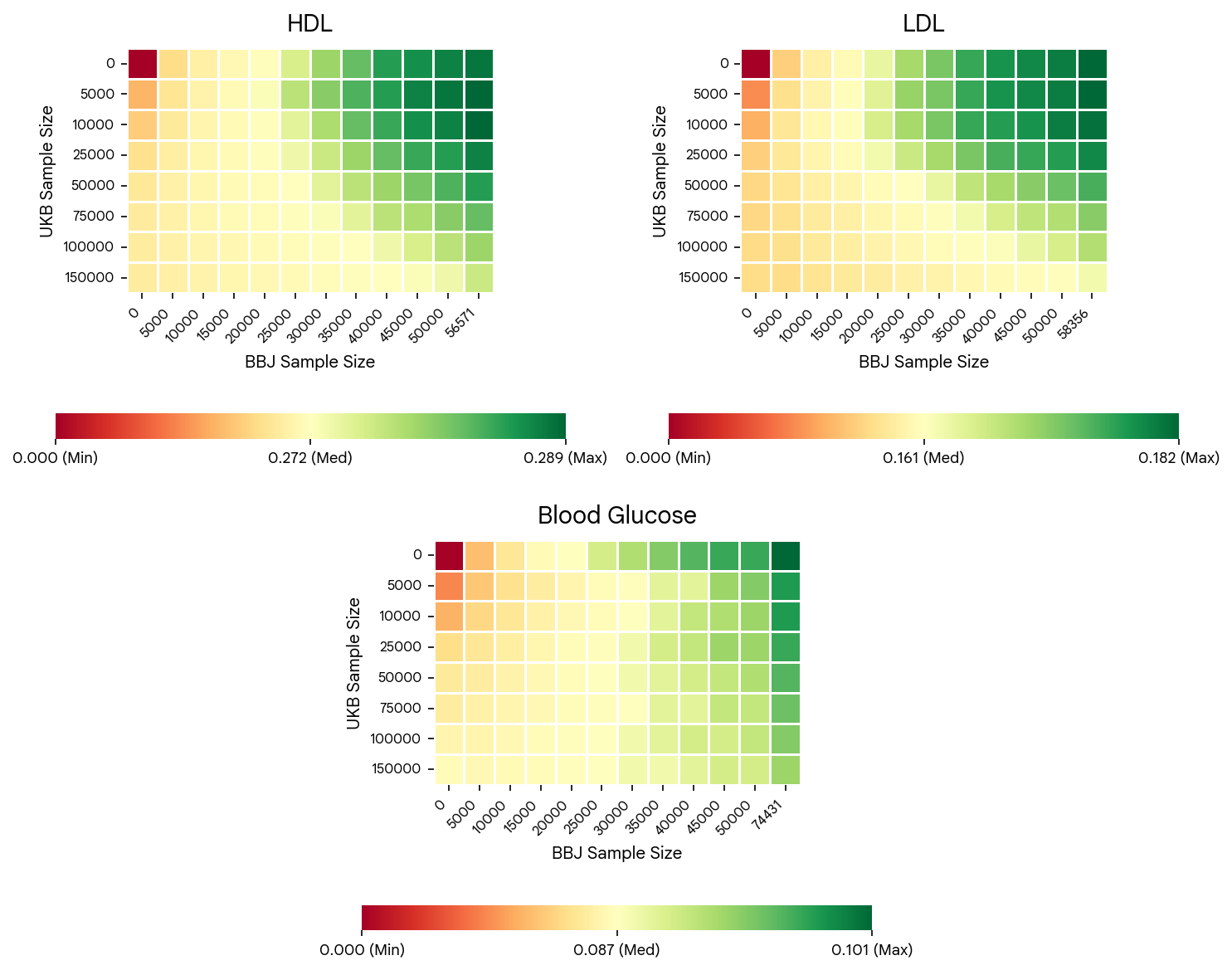
To address this disparity, Google Research is exploring the use of transfer learning. In the context of machine learning, transfer learning is a technique where a model developed for one task is reused as the starting point for a model on a second, related task. In genomics, this involves taking a model that has been trained on a massive dataset (the source domain, typically European-centric data) and fine-tuning it using a smaller, more specific dataset (the target domain, representing an underrepresented population).
This approach is particularly effective because many genetic features are shared across human populations, even if their frequencies or specific associations differ. By starting with a pre-trained model that has already learned the complex patterns of genomic architecture, researchers can achieve high levels of accuracy in underrepresented groups with much less data than would be required to train a model from scratch. This methodology effectively leverages existing large-scale data to benefit populations that have historically been excluded from major genetic studies.
Bridging the Gap in Precision Medicine
The application of transfer learning to genomic prediction represents a shift in how researchers approach diversity in health data. Rather than waiting decades to collect equivalent amounts of data for every global population—a task that is logistically and ethically complex—transfer learning provides a computational bridge. By refining models to be more inclusive, the research aims to provide more reliable health insights for individuals of African, Asian, Hispanic, and other underrepresented ancestries.
This work is not just about technical accuracy; it is about the practical application of AI in clinical settings. Improved genomic prediction means that doctors can better identify patients at high risk for conditions like cardiovascular disease, diabetes, or certain cancers across all demographic groups. By focusing on underrepresented populations, Google Research is working to ensure that the future of medicine is not only precise but also equitable.
Industry Impact
The implications of this research for the AI and healthcare industries are profound. First, it sets a new standard for how machine learning can be used to address systemic biases in scientific data. As AI becomes more integrated into healthcare, the ability to adapt models to diverse populations will be a requirement for regulatory approval and ethical implementation.
Furthermore, this research highlights the growing role of big tech companies like Google in the field of bioinformatics. By applying advanced AI techniques to biological problems, these organizations are accelerating the pace of discovery in ways that traditional research methods might not. For the pharmaceutical and diagnostic industries, more accurate genomic prediction across diverse groups opens up new markets and opportunities for drug development and personalized health monitoring. Ultimately, this research paves the way for a more globalized approach to biotechnology, where the benefits of genomic science are shared more broadly across the human population.
Frequently Asked Questions
Question: What is transfer learning in the context of genomics?
Transfer learning is a machine learning technique where a model trained on a large, existing dataset (such as genomic data from European populations) is adapted and fine-tuned to perform tasks on a different but related dataset (such as data from underrepresented populations). This allows for high-quality predictions even when the target population's data is limited.
Question: Why is it important to focus on underrepresented populations in genomic research?
Most current genomic data is biased toward European ancestries, which means health prediction models are often less accurate for people of other backgrounds. Focusing on underrepresented populations is essential for health equity, ensuring that everyone can benefit from precision medicine and accurate disease risk assessments.
Question: How does this research affect the future of precision medicine?
By improving the accuracy of genomic predictions for diverse groups, this research makes precision medicine more inclusive. It allows for better disease prevention, more accurate diagnoses, and personalized treatment plans that are effective for a global population rather than just a specific demographic.