Microsoft Research Highlights Innovations in Large-Scale Networked Systems at NSDI 2026
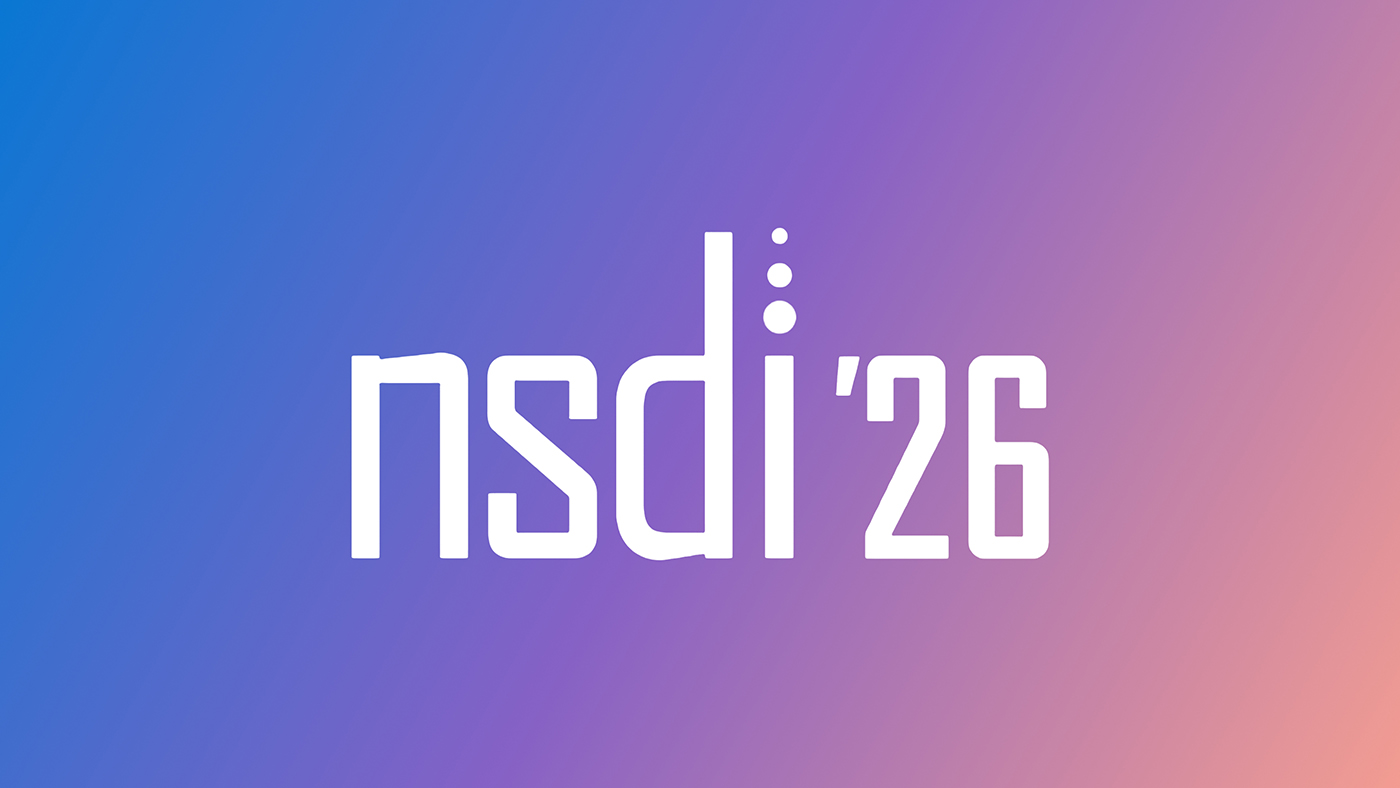
Microsoft Research has announced its participation in the NSDI 2026 symposium, showcasing significant advances in the field of large-scale networked systems. Authored by Sujata Banerjee, the announcement underscores Microsoft's ongoing commitment to evolving network architectures and addressing the complexities of modern digital infrastructure. As a premier venue for the USENIX Symposium on Networked Systems Design and Implementation, NSDI 2026 serves as the platform for Microsoft to share its latest research findings. The focus remains on the design and implementation of systems capable of handling massive data flows and complex connectivity, which are essential for the future of global computing and cloud services.
Key Takeaways
- Microsoft Research presented new findings at the NSDI 2026 symposium.
- The research focus is centered on the advancement and optimization of large-scale networked systems.
- Sujata Banerjee is the primary author representing Microsoft Research's contributions to the event.
- The announcement highlights Microsoft's role in addressing the architectural challenges of modern networking infrastructure.
In-Depth Analysis
Microsoft's Strategic Presence at NSDI 2026
The USENIX Symposium on Networked Systems Design and Implementation (NSDI) is widely recognized as one of the most prestigious venues for networking research. Microsoft Research’s involvement in the 2026 iteration of this conference highlights the company's position at the forefront of the industry. The announcement, authored by Sujata Banerjee, indicates that Microsoft is continuing to push the boundaries of how networked systems are designed, implemented, and maintained at a global scale. By presenting at this level, Microsoft continues to influence the standards and methodologies used in building robust, scalable network architectures that power modern digital services.
Advancing Large-Scale Networked Systems
The core of Microsoft's presentation centers on the theme of "large-scale networked systems." In the context of contemporary computing, large-scale systems refer to the massive infrastructures that support global cloud platforms and distributed services. The research presented at NSDI 2026 likely addresses the fundamental hurdles associated with these environments, such as latency management, throughput optimization, and the coordination of heterogeneous network components. As networks grow in size and complexity, the "advances" mentioned in the announcement suggest a focus on making these systems more predictable, resilient, and easier to manage. This research is vital for ensuring that the underlying infrastructure can keep pace with the increasing demands of global data traffic.
Research Leadership and Implementation
The involvement of Sujata Banerjee as the author of this announcement points to the high caliber of expertise Microsoft brings to the NSDI symposium. Banerjee’s work at Microsoft Research often involves bridging the gap between theoretical network design and practical, industrial-scale implementation. The focus on "design and implementation" at NSDI suggests that the research is not merely academic but has direct applications for how large-scale networks are constructed. By sharing these insights, Microsoft contributes to the broader community's understanding of how to build systems that are both massive in scale and highly efficient in operation.
Industry Impact
The research presented by Microsoft at NSDI 2026 has significant implications for the broader technology sector. As organizations worldwide transition toward increasingly complex distributed computing models, the innovations in large-scale networking provided by Microsoft Research help define the future of network efficiency. These advances are critical for the continued growth of cloud services, global communications, and the underlying systems that support the modern digital economy. Improvements in the design of networked systems directly contribute to the stability and performance of the global digital infrastructure, benefiting both service providers and end-users.
Frequently Asked Questions
Question: What was the main topic of Microsoft's presentation at NSDI 2026?
Answer: The main topic was advances in large-scale networked systems, focusing on the design and implementation of modern network architectures.
Question: Who is the key researcher associated with this Microsoft announcement?
Answer: The announcement was authored by Sujata Banerjee, representing the research efforts and leadership of Microsoft Research.
Question: Why is the NSDI conference important for the networking industry?
Answer: NSDI is a premier symposium for networked systems. It provides a platform for leading organizations like Microsoft to share architectural innovations that influence how large-scale networks are built and managed globally.